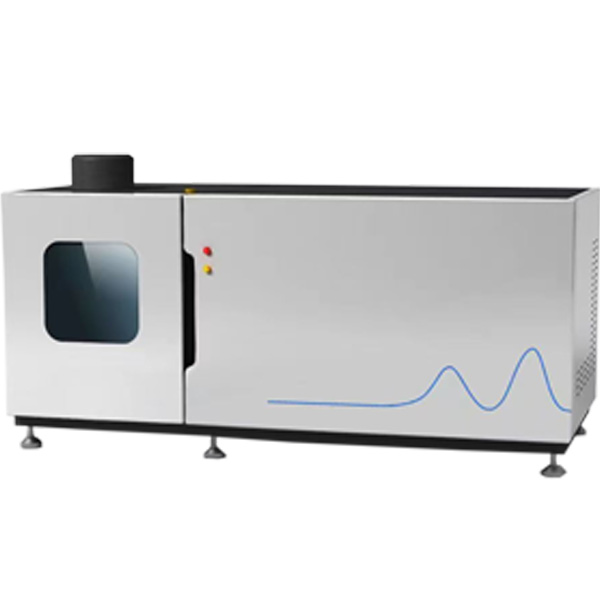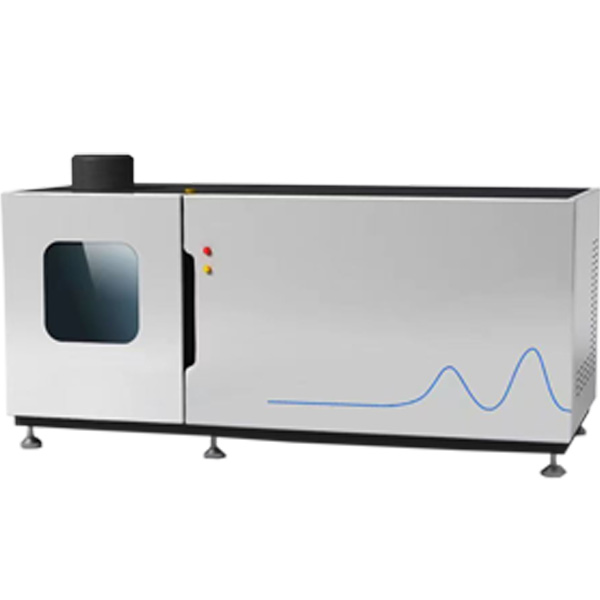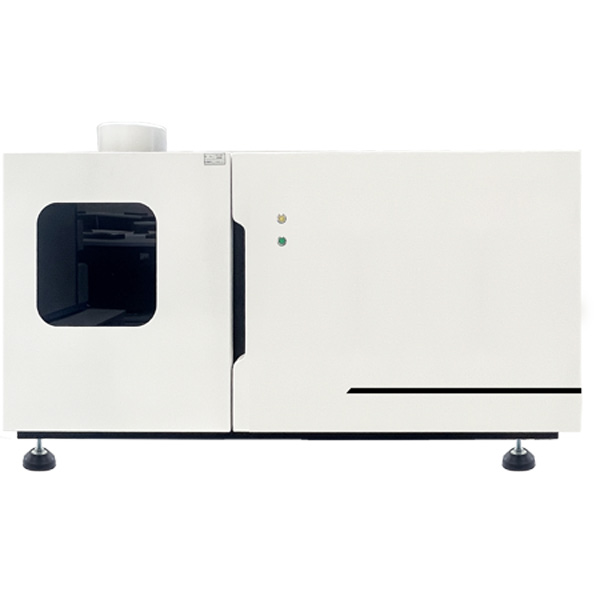

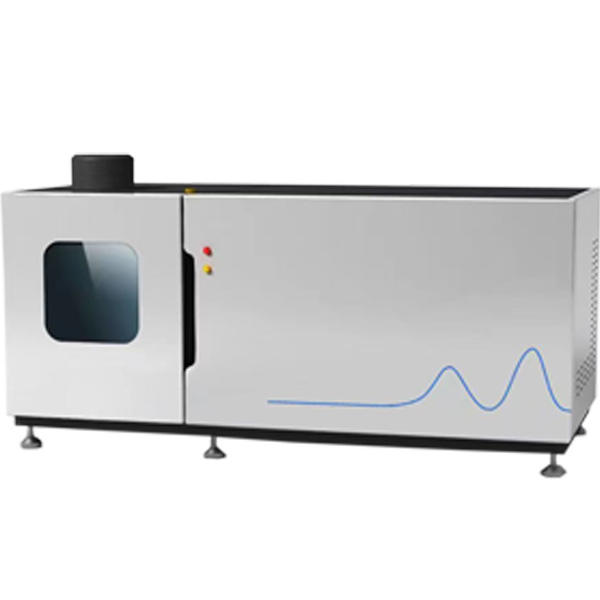
HKL-4951 ICP for Unused Lube Oils
Overview
HKL-4951 ICP for Unused Lube Oils conforms to the ASTM D4951 Standard Test Method for Determination of Additive Elements in Lubricating Oils by Inductively Coupled Plasma Atomic Emission Spectrometry. This test method covers the quantitative determination of barium, boron, calcium, copper, magnesium, phosphorus, sulfur, and zinc in unused lubricating oils and additive packages.
Introduction
The iron, manganese, phosphorus, zinc, calcium, magnesium and other elements in lubricating oil samples directly determine the quality of the product and the degree of impact on the environment. The traditional test method uses acid digestion to destroy the organic components in the sample and transform it into the test is performed after the aqueous solution. This method has many disadvantages such as long operation time, many reagents and consumables, easy contamination or loss of elements, poor accuracy of test results, and environmental pollution. This method uses the organic solvent dilution method to determine the various elements in unused lubricating oil samples. The determination method is simple, fast, and has strong operability. The repeatability and stability of the results obtained can fully meet the daily analysis requirements.
Technical Parameters
Table1. Main Technical Parameters of HKL-4951 | |
High Frequency Generator | |
Working Frequency | 27.12MHz |
Stability | ﹤0.05% |
Output power | 800W~1600W |
Stability | ≤0.05% |
Matching Method | Automatic |
Scanning spectrometer | |
Light path | Czerny turner |
Focal length | 1000mm |
Raster specification | Ion-etched holographic grating, engraved line density 2400L / mm; scribed area (80 × 110) mm |
Line dispersion reciprocal | 0.26nm/m |
Resolution | ≤0.008nm(3600 wire grating) |
≤0.015nm (2400 wire grating) | |
Main host Parameters | |
Scanning wavelength range | 195nm~500nm(3600L/mm wire grating) |
195nm~800nm(2400L/mm wire grating) | |
Repeatability | RSD≤1.5% |
Stability | RSD≤2.0% |
Test Part
1. Abrasion Elements in unused Lube Oils
1) CONOSTAN Dedicated Diluent for ICP
2) CONOSTAN Co standard liquid
3) CONOSTAN S-21 mixed standard oil
4) Pipette,0-5ml
5) Electronic balance, 0.0001
2. Working Condition Requirements
High frequency generator: 27.12MHz, 0.7mm quartz torch with center channel, high frequency power 1200W, plasma gas flow 15L / min, auxiliary gas flow 0.99L / min, carrier gas flow 0.35L / min, oxygen flow rate 50ml / min, the temperature of the atomizing chamber is -20 ° C, and the speed of the peristaltic pump is 3ml / min.
3. Sample treatment
After the lubricating oil sample is sampled by the weighing method, the diluent is directly used to make the volume to the mark.
The internal standard calibration method is used in the test process to eliminate the difference of the sample matrix.
4. Test method
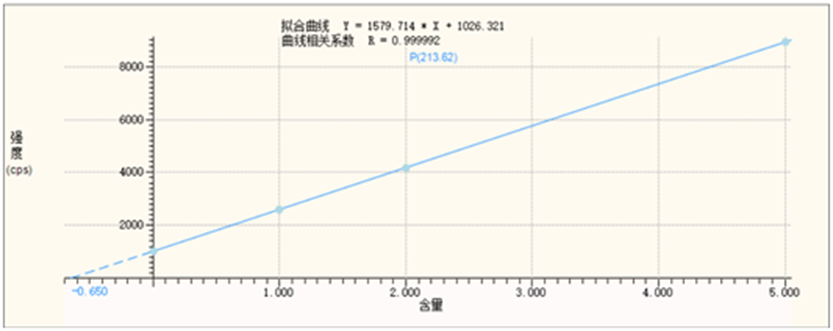
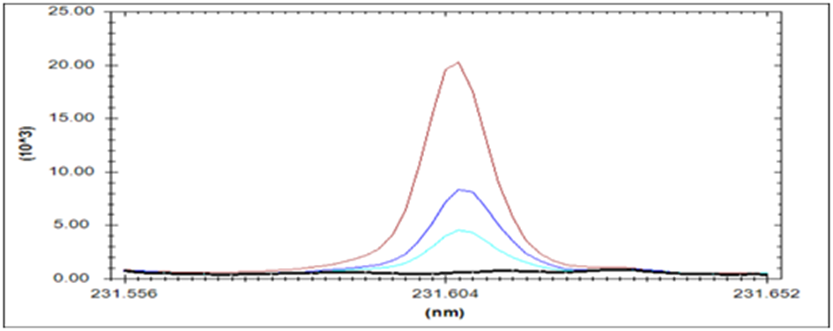
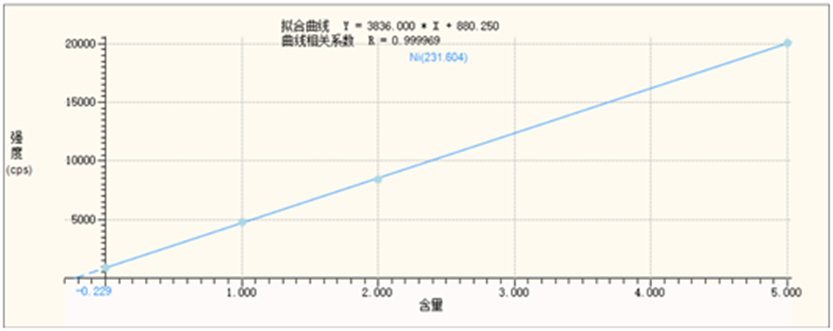
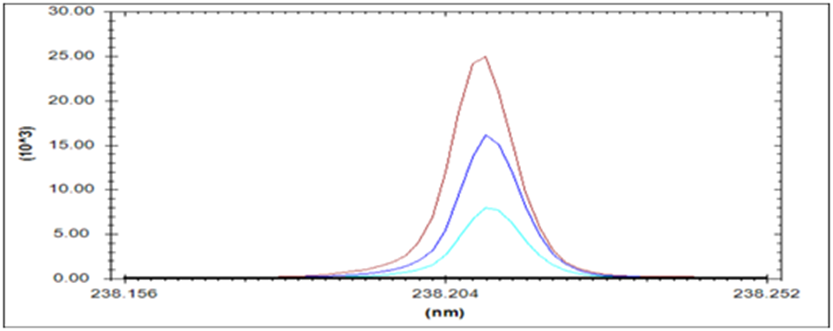
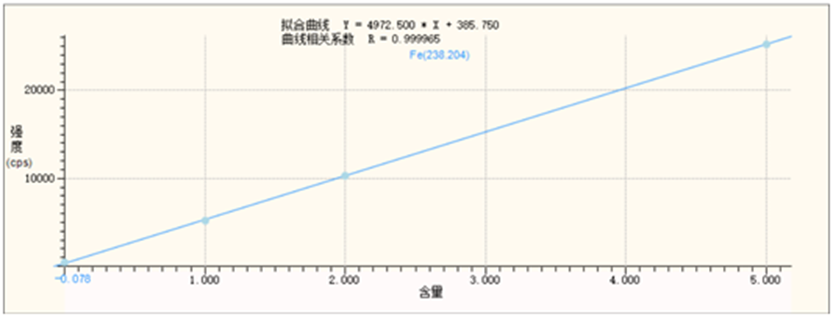
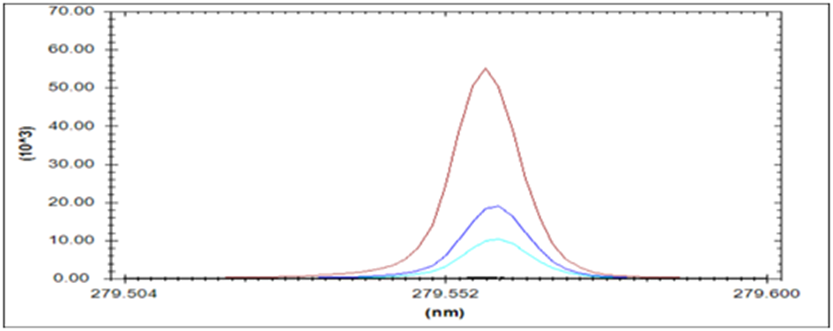
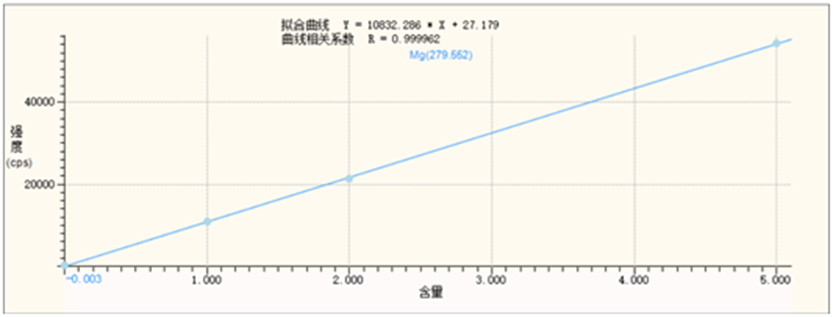
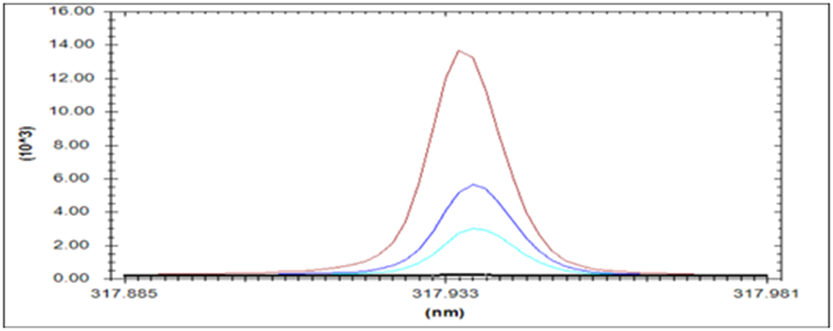
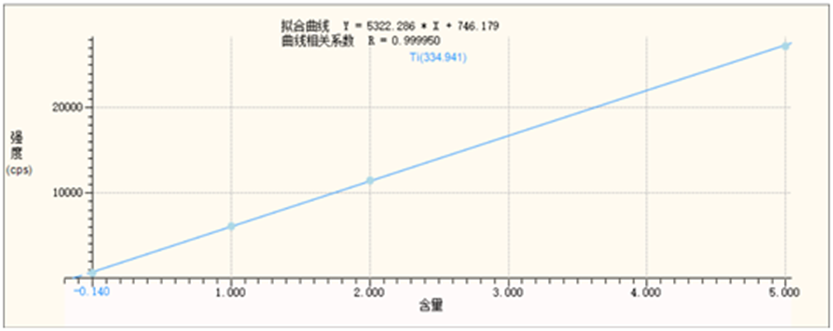
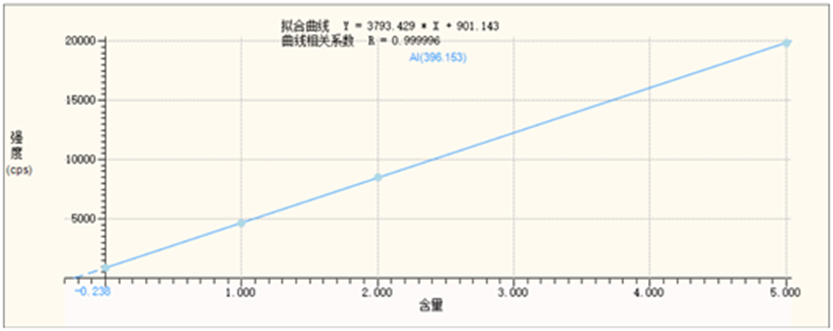
After the apparatus is automatically ignited and the parameters are set according to the working conditions of the apparatus, the diluent is directly sucked into the mist chamber through the nebulizer and enters the plasma. After the apparatus is stable, measure the blank solution, standard solution and diluted sample solution at one time. The content of each element in the final sample can be directly obtained. The linear relationship of the elements was determined according to the testing method. At the same time, the blank solution was measured 10 times for each element. The standard deviation of the measured value was divided by the slope of the curve as the method detection limit. As can be seen from the table below, the fitting coefficient of the elemental working curve is higher than 0.999, indicating that the linear relationship is good within the linear range of the working curve. Because the working parameters of the apparatus are optimized, the test conditions of the elements are optimized to improve the accuracy of the test results.
5. Applicable Standard
ASTM D4951 Standard Test Method for Determination of Additive Elements in Lubricating Oils by Inductively Coupled Plasma Atomic Emission Spectrometry
Test Report Comparison | ||||||
Sample Name | Diesel Engine Oil | |||||
Receiving Date | JAN,2ND,2020 | Test Period | ||||
Description | Viscous Oil Sample | |||||
Test Requirement | ||||||
Test component | Ca, Mg, P, Zn | |||||
Reference | ||||||
Standard | ASTM D4951 | Standard Sample | ||||
Humidity | ≤70% | Temperature | ||||
Test Process | ||||||
Weigh a certain amount of sample into a 100ml volumetric flask, add the internal standard solution, dilute to the mark with blank oil, shake well, and wait for measurement. | ||||||
Take the lubricating oil sample as an example. Weigh a 0.1g lubricating oil sample into a 100ml volumetric flask, and dilute it to the mark with the diluent containing the internal standard. After shaking it, the test results are obtained. The results are obtained by combining with PE ICP Avio200 and Agilent ICP 5110 The test results are compared, and there is no fundamental difference in the test results, indicating that the test performance of this instrument has reached the international advanced level. The specific data are as follows: | ||||||
Perkin Elmer ICP Avio200 | Agilent ICP5110 | HKL-4951 ICP | ||||
Test Item | Result | Result | Result | |||
Ca | 4225.7ppm | 4415.1 ppm | 4135.8 ppm | |||
Mg | 21.5ppm | 15.8 ppm | 29.1 ppm | |||
P | 1026.2 ppm | 1048.3 ppm | 1164.3 ppm | |||
Zn | 1133.1 ppm | 1117.6 ppm | 1131.2 ppm | |||
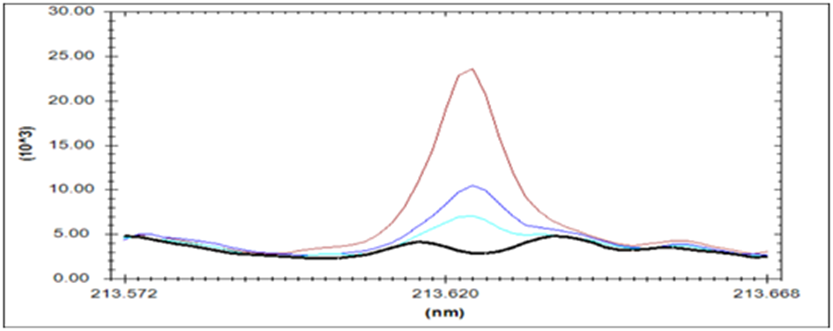
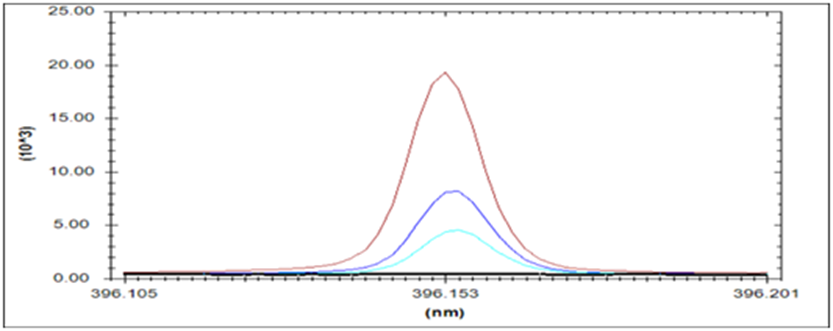
6. Typical element spectrum and curve
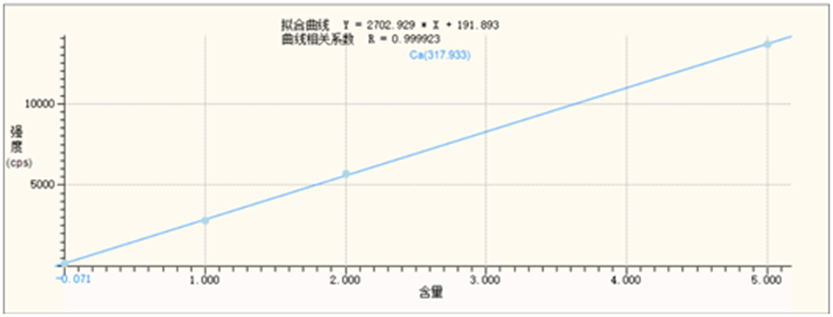
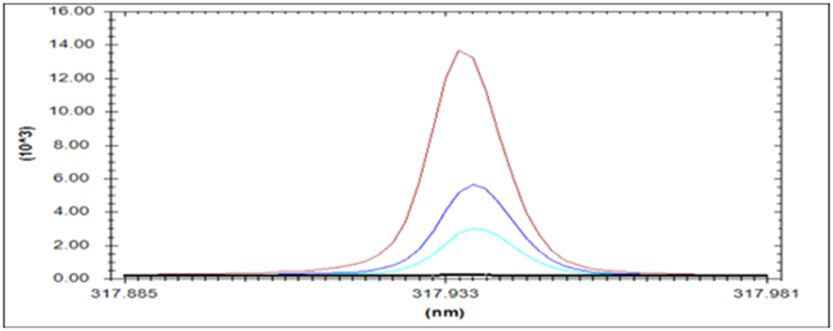
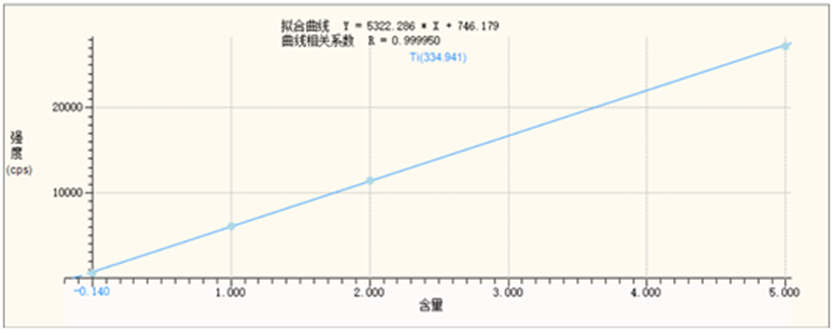
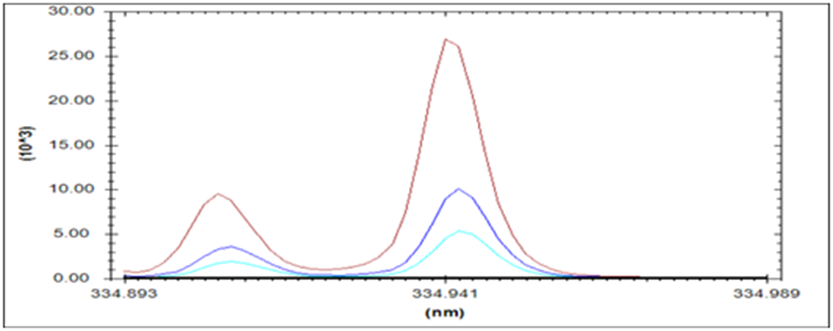
Conclusion
The relative digestion method for direct determination of multiple elements in gasoline and lubricating oil by ICP has higher accuracy and better reproducibility, which not only greatly saves the time of sample digestion and reduces the environmental pollution caused by acid, but also poses a great impact on operators. The technical level requirements are greatly reduced, and it can be promoted and used in the petrochemical industry. HKL-4951 has the characteristics of low-test cost, fast test speed, and high accuracy of the method. It can directly determine multiple elements in gasoline and lubricant samples, which can fully meet the test requirements of different customers in the petrochemical industry.
FAQ
Q1: What are your main type of instruments your company supply?
A: Hello! Our company focuses on industries like life science analysis, environment monitoring, and factory process automation. Our core range of products mainly consists of gas chromatographs, viscometers, spectrometers, centrifuges, etc. Please visit our Product Center at the official site for extensive category basement and detailed technical parameters.
Q2: How do you support customers after purchase?
A: We promise to provide you with a broad and reliable after-sales support system throughout the entire product lifecycle. This includes: 1) Quick Response: An experienced customer service team is always at your disposal to ensure that your needs are responded to promptly. 2) Expert Technical Support Engineer: A skilled team of engineers perform troubleshooting remotely and also provide on-site services for the quick solving of technical problems. 3) Never-ending Enabling: We offer continuous online training, mentoring, and support to your team to master the use of the instrument’s capabilities.
Q3: How do I get a product quotation?
A: Submit your requirements via the contact form on our official website or customer service email, and you will receive a detailed quotation from us within 24 working hours.
Q4: Which couriers do you ship with internationally?
A: We have a range of international shipping options that can be customized to your situation: 1) International Express: Working closely with world-class courier services such as DHL, FedEx, UPS, and TNT, this is a great choice for small quantities and valuable items. 2) Air Freight: Perfect for more than a few boxes, the roundtrip is pretty cheap. 3) Sea Freight: Bulk orders of large volume are the main concept of the service. We offer Full Container Load (FCL) and Less than Container Load (LCL) alternatives. The time for the journey is 20-40 days, more or less depending on the destination port. 4) Rail Freight: To be able to communicate with the clients located in the Eurasian continent (e.g. Central Asia, Russia, Europe) and to provide reliable and efficient China-Europe Railway Express services.

About us
Hong Kong Laboratory Technology Limited, an instrumentation industry partner you can count on, has been operating since 2018. Over the past eight years, we have built a solid network and helped the needs of more than 500 clients by solely representing 50+ globally famous brands. With the deep knowledge of the industry, we can provide a full supply chain service from Research and Development to the final production, supported by a rigorous quality management system. Our primary instruments are designed to comply with the top global standards (ISO 9001, ASTM, IP), and we carry out frequent calibration of them according to ISO/IEC 17025 standards to ensure precision and reliability. We are committed to help innovation and assure safety by providing our instruments to various sectors including research institutes, petrochemical and mining industries, healthcare facilities, and environmental agencies.
Company Advantages
(1)Full chain of integration capacity for resources
(2)Skilled Technical Service Team
(3)Rich Industry Practical solutions
(4)Dependable After-Sales Service
Service Guarantee
1. Online Training Services
If you need help, we can offer you online installation and commissioning services together with full operational training. Besides, we provide 24/7 online training support for end users all year round.
2. Professional After-Sales Service
Depending on the instrument type, we customize our maintenance services appropriately. Besides supplying the finest quality instruments, our goal is to establish ourselves as the most reliable instrument supplier in the market. Your valuable feedback and suggestions are most welcome, as they will help us in enhancing our service quality gradually.
Logistics and Shipping
Worldwide Shipping:International logistics is one of the areas we are so deeply familiar with that we certainly assure the punctual and hassle-free delivery of goods to the areas of Asia, Europe, and the Middle East.
Secure Packaging: Before sending out your lab equipment, our team inspects each item carefully. We then use high density foam liners and heavy duty cardboard boxes for packing them professionally. The equipment are well secured by ties inside the packaging so that they withstand the vibrations, hits and damp conditions during the shipment are effectively resisted. In this manner, the items will be delivered to you in the best condition ever.
International Certification
|
|
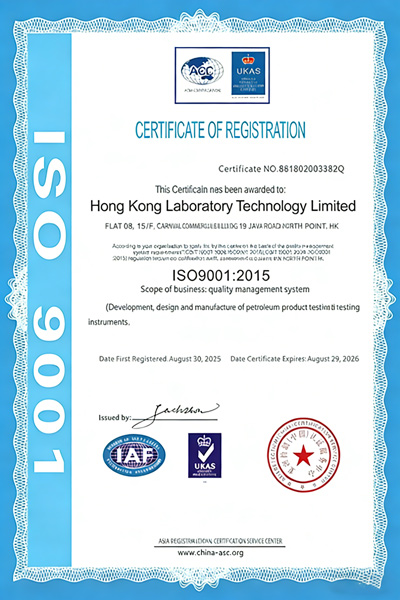
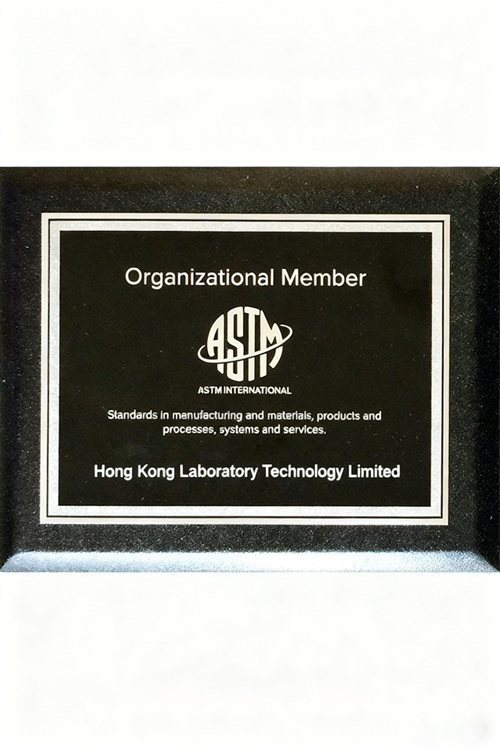
ISO 9001 Certification | ASTM Certificate |