
Limitations of Traditional Detection Technologies
Inspection standards in the electric power, petrochemical, and clean energy sectors are becoming increasingly stringent. Traditional inspection equipment often lacks the precision to distinguish between various trace impurities, leading to a risk of missed detections. Furthermore, complex workflows and slow result generation fail to meet the need for real-time, on-site monitoring. Equipment is often single-purpose, requiring multiple instruments to analyze different petroleum or gas samples—resulting in high costs and low efficiency. The industry urgently requires a versatile, high-precision detection solution to address these shortcomings.
Advantages of Gas Chromatography Technology
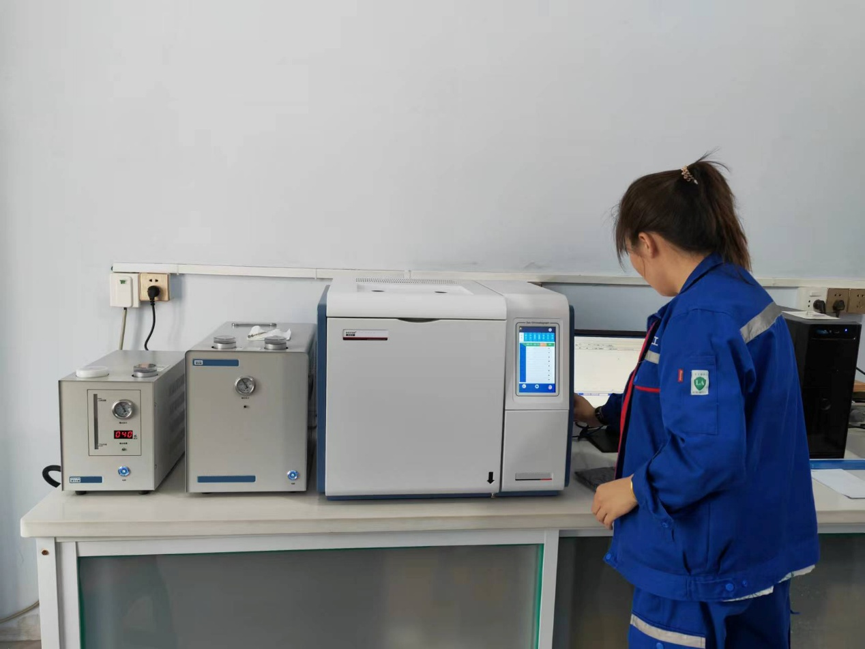
Gas chromatography offers superior capabilities in component separation and trace analysis, effectively mitigating common issues such as missed detections, data inaccuracies, and analysis delays. The equipment is user-friendly and stable, enabling the rapid separation and precise identification of complex trace components. It effectively resolves industry pain points—including missed detections, data deviations, and delayed results—and is adaptable to routine inspection tasks across the power, petrochemical, and new energy sectors, thereby enhancing both accuracy and operational efficiency.
Significant Results Across Multiple Industries
This technology is currently employed in a wide range of applications. In the power industry, it is primarily used to analyze dissolved gases in transformer oil; by monitoring gas fluctuations, operators can promptly identify hazards such as overheating, electrical discharge, and insulation degradation, allowing for preemptive maintenance that ensures grid safety and reduces costs. In the petroleum refining sector, the technology accurately measures sulfide content, helping enterprises control product quality, produce compliant low-sulfur fuels, and minimize equipment corrosion and exhaust emissions.
Furthermore, gas chromatography technology can be used to analyze natural gas composition and calorific value—ensuring accurate gas metering data—as well as to determine the fatty acid methyl ester content in biodiesel for product quality standardization. Extensive field and laboratory testing across diverse scenarios has demonstrated the equipment’s robust compatibility, enabling the simultaneous analysis of various oil and gas samples, such as transformer oil, refined petroleum products, natural gas, and biodiesel. Capable of meeting rigorous industry testing standards, it provides a stable, efficient, and highly practical core testing solution for quality control, equipment fault monitoring, and regulatory compliance verification in sectors including petrochemical refining, power system operations, and clean energy.