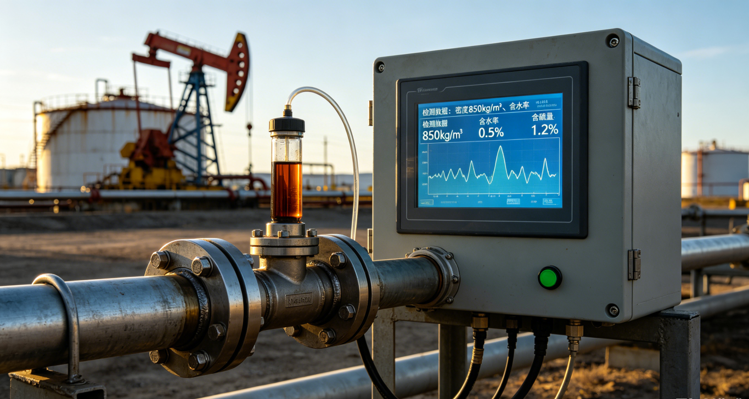

1. Rapid, high-volume sample processing. Crude oil intake involves large volumes and a wide array of testing parameters—such as water content, sulfur, viscosity, distillation fractions, and impurities. Manual processes—including sample pretreatment, titration, and chromatography—are cumbersome, resulting in long wait times for results. Since crude oil receipt and production blending cannot afford delays, automated equipment offers a solution: it handles sample injection, temperature control, and cleaning automatically. A full analysis takes just over ten minutes, allowing for the rapid processing of large batches without disrupting production schedules.
2. Consistent and reliable test results. Secondly, manual operations often yield inconsistent data. Steps such as homogenization, pipetting, temperature control, and reading rely on human operators; variations in technique between analysts frequently lead to significant discrepancies in parallel samples, potentially affecting crude oil valuation and refinery process adjustments. In contrast, automated equipment operates according to fixed protocols, eliminating subjective human error and ensuring superior data repeatability and consistent, reliable results.
3. Safe and environmentally friendly. Furthermore, manual testing poses safety risks. Crude oil and associated reagents are often flammable and corrosive, exposing personnel to hazards through prolonged contact with high temperatures and chemicals. Manual handling also results in high reagent consumption and difficulties in managing waste liquids. Automated systems utilize enclosed piping for sample processing, minimizing human exposure, controlling reagent usage, and centralizing waste recovery—thereby better meeting safety and environmental standards.
4. Accurate and traceable data storage. Laboratories require data traceability. Handwritten records are prone to loss or alteration, making traceability difficult during audits or qualification checks. Automated instruments interface directly with laboratory management systems, automatically saving raw data and logging timestamps for sampling, calibration, and testing. This ensures compliant reporting without the need for manual record-keeping.
With the rising production of heavy oil and shale oil, crude oil composition fluctuates significantly, necessitating frequent quality control testing. As the cost of automated instruments decreases, both large refinery laboratories and small oilfield testing stations can implement stable quality control workflows using this technology. Given the limitations of manual testing regarding efficiency, precision, and compliance, automated equipment effectively addresses real-world production challenges, making it increasingly indispensable to the industry.