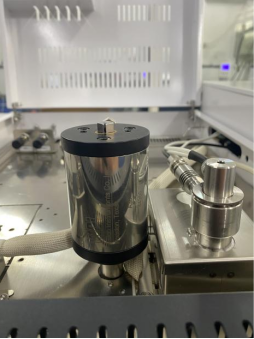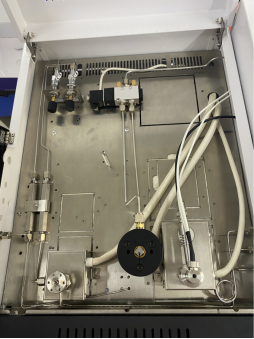

Detection Target
Determination of Oxygenates in Gasoline
Introduction
Oxygenated compounds (such as methanol, ethanol, and methyl tert-butyl ether) are commonly used as additives in gasoline to increase octane number and reduce carbon monoxide and hydrocarbon emissions. To ensure that commercial gasoline meets quality requirements, the types and concentrations of various oxygenated compounds are strictly regulated and monitored. The use of oxygenated fuels may involve potential problems related to driving performance, vapor pressure, phase separation, exhaust emissions, and evaporative emissions. Therefore, accurately determining the types and concentrations of oxygenated compounds through gas chromatography analysis is of great importance in ensuring fuel quality, meeting environmental standards, and preventing illegal adulteration. It is also a core monitoring aspect in petroleum refining, quality control, and environmental protection.
Overview
This solution conforms to ASTM D4815 Standard Test Method for Determination of MTBE, ETBE, TAME, DIPE, tertiary-Amyl Alcohol and C1 to C4 Alcohols in Gasoline by Gas Chromatography and ASTM D5580 Standard Test Method for Determination of Benzene, Toluene, Ethylbenzene, p/m-Xylene, o-Xylene, C₃ and Heavier Aromatics, and Total Aromatics in Finished Gasoline by Gas Chromatography. It can determinate ethers and alcohols in gasoline by gas chromatography.
Ethers, alcohols, and other oxygenates can be added to gasoline to increase octane number and to reduce emissions. Type and concentration of various oxygenates are specified and regulated to ensure acceptable commercial gasoline quality. Drivability, vapor pressure, phase separation, exhaust, and evaporative emissions are some of the concerns associated with oxygenated fuels.
Apparatus
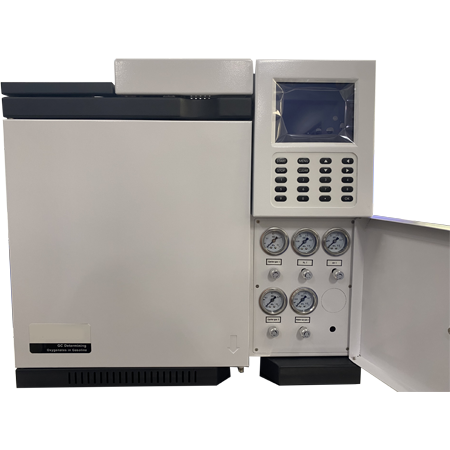
HKL-4815 GC for determining oxygenates in gasoline
Configuration
Serial | Name | Model | Specifications | Quantity |
1 | Gas Chromatograph Main Unit | HKL-4815 | 1. Large-screen full LCD display. 2. Simplified menu, keyboard operation, automatic parameter memory, power-off protection. 3. Self-diagnostic function for faults, over-temperature automatic protection and alarm. 4. Large column oven and large fan combined with automatic rear door cooling device, improving cooling speed and enabling true near‑ambient temperature operation. Temperature control range: Ambient +5°C to 400°C, control accuracy better than ±0.1°C. | 1 |
2 | Detector | FID | 1. Detection limit: Mf ≤ 1×10⁻¹¹ g/s (benzene) 2. Noise: ≤0.02 mV Drift: ≤0.1 mV/h | 1 |
3 | Injection System | SPL | Split/splitless capillary | 1 |
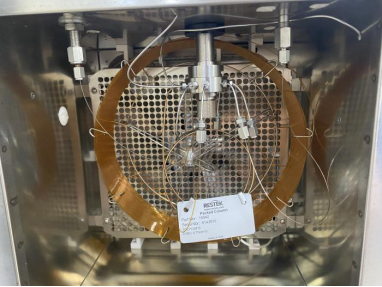
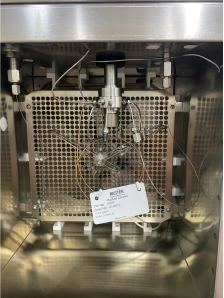
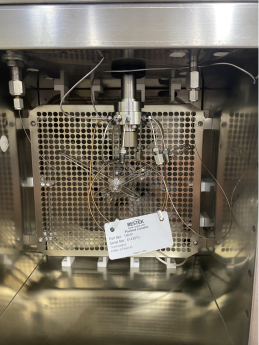
4 | Backflush Switching System | High‑temperature ten‑port | Imported VICI valve | 1 |
5 | Pre-column | Imported TCEP | 1 | |
6 | Chromatographic Column | Special chromatographic column | 50×0.53×3.0 | 1 |
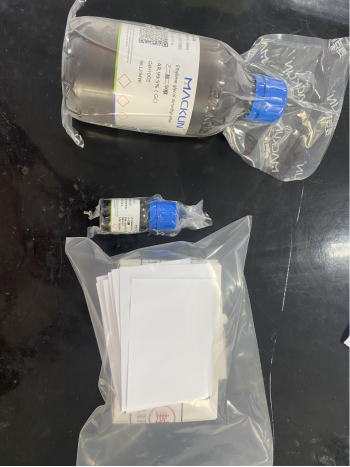
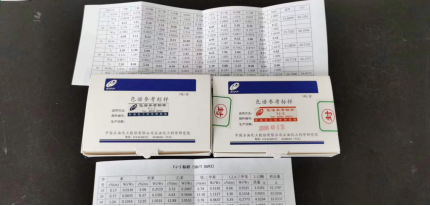
7 | Standard Sample | Oxygenates in gasoline | 1 | |
8 | Workstation | Chromatography workstation | HW-2000 | 1 |
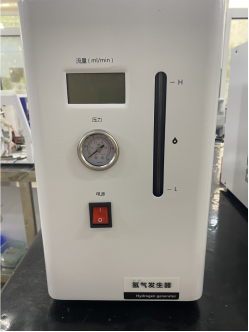
9 | Hydrogen Generator | LH-300 | High-purity hydrogen 99.995% | 1 |
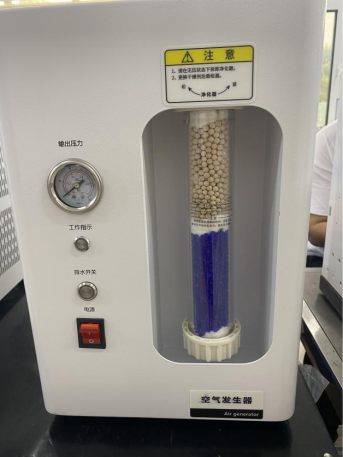
10 | Air Generator | LA-3L | Dry, oil‑free | 1 |
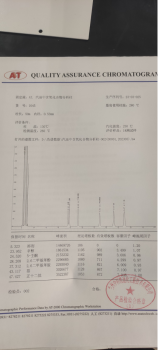
Chromatogram
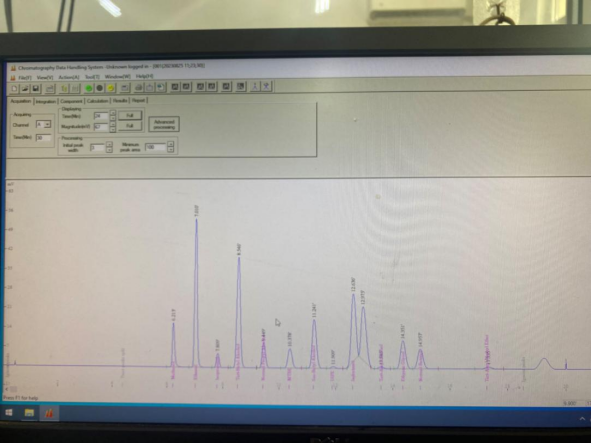
Result
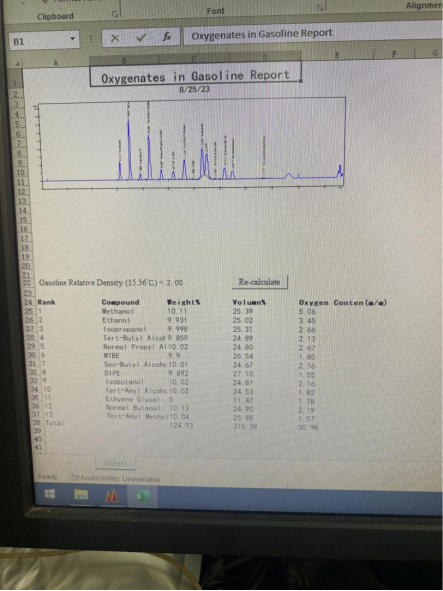
Oxygenates in Gasoline Report |
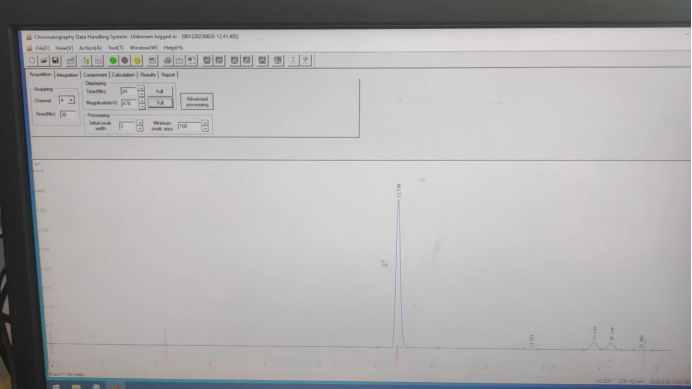
Benzene standard report |
Related Images
|
|
|
|
|
Calibration standards with benzene | Air Generator | Hydrogen Generator | Standards | Column |
|
|
|
|
|
Column | Column Certificate | Restek packed column | Valco Pneumatic six way value | Inside the Detector |