

In today’s increasingly stringent medical device safety regulations, ensuring the biocompatibility of every sterile medical device, particularly the safety of its chemical residues, has become a consensus among global manufacturers and regulatory agencies.
Ethylene oxide (EO), as a highly effective, low-temperature, broad-spectrum sterilant, is widely used for the sterilization of various medical devices that cannot withstand high temperatures and humidity. However, its potential residual toxicity—including irritancy, carcinogenicity, and genotoxicity—requires strict and precise monitoring of EO and its byproduct, ethylene chlorohydrin (ECH), residues in sterilized products. Against this backdrop, gas chromatography technology, as a core detection method, combined with the internationally authoritative standard ISO 10993-7:2023 Biological evaluation of medical devices — Part 7: Ethylene oxide sterilization residuals, is building a solid and reliable technical defense for global medical device safety.
In response to this context, our company has launched a gas chromatograph specifically designed for ethylene oxide residue detection: the HKL-10993 Gas Chromatograph for Ethylene Oxide. It features the following characteristics:
Featuring a 5.7-inch LCD screen, ergonomic physical controls, and an intuitive user interface for straightforward operation.
Equipped with a rotary sample inlet and a quick-change liner that conforms to international standards, facilitating convenient maintenance.
Incorporates a high-sensitivity Flame Ionization Detector (FID) with automatic ignition, meeting global performance specifications.
Integrated onboard workstation and USB interface ensure broad compatibility with various computer systems.
Built-in CPU self-diagnostics allow for rapid identification and troubleshooting of operational faults.
The expanded column oven design enhances analytical precision and repeatability.
A high-capacity column oven, combined with an efficient fan and a smart rear-exhaust cooling system, significantly accelerates the cooldown process.
Features corrosion-resistant and interference-free circuitry, along with over-temperature protection for reliable performance.
Supports multi-step temperature programming, external event control, and timed cyclic injections through a multi-valve configuration.
An optional liquid autosampler is available to enable fully automated operational workflows.
Overall dimensions measure 610 mm in width, 515 mm in depth, and 520 mm in height.
In the crucial area of medical device safety, ethylene oxide residue control is a vital cornerstone. The HKL-10993 Gas Chromatograph for Ethylene Oxide, as a precise bridge connecting the ISO 10993-7 international standard with the safety attributes of physical products, silently safeguards the ultimate safety of every sterile medical device with its undeniable technical authority. It is not only an instrument in the laboratory, but also a technical symbol and compliance cornerstone for the medical device industry’s commitment to patient health and safety, continuously providing solid and reliable technical assurance for global public health security.
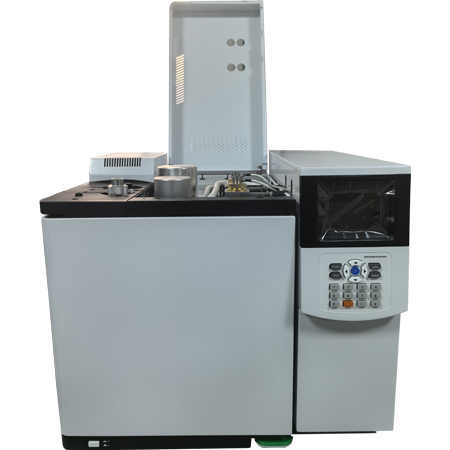
HKL10993 Gas Chromatograph for Ethylene Oxide
About Hong Kong Laboratory Technology Limited
Since 2018, Hong Kong Laboratory Technology Limited has been a reliable partner in the instrumentation industry. We have created a strong network over the last eight years, assisting more than 500 clients by exclusively representing 50+ world-renowned brands. Leveraging our profound understanding of the industry, we offer an end-to-end supply chain service starting from Research and Development to the final production, all backed by a strict quality management system. We ensure our main instruments are developed based on the highest worldwide standards (ISO 9001, ASTM, IP) and are regularly calibrated according to ISO/IEC 17025 standards to maintain accuracy and dependability. Our dedication lies in supporting innovation and guaranteeing safety through our instruments for various sectors such as research centers, petrochemical and mining industries, healthcare institutions, and environmental bodies.