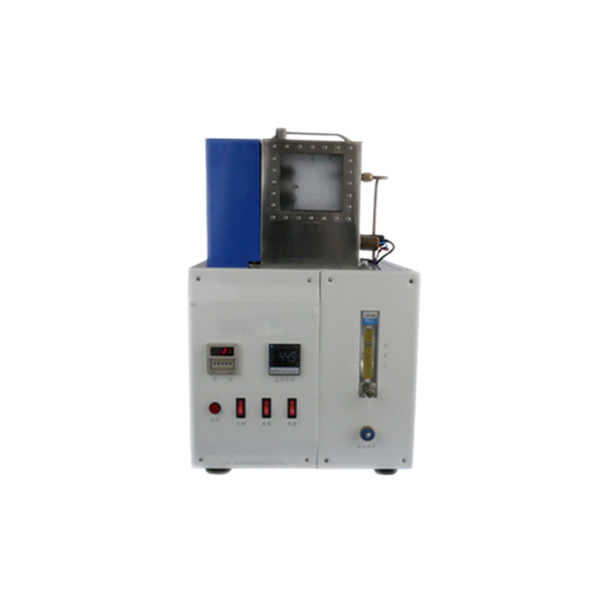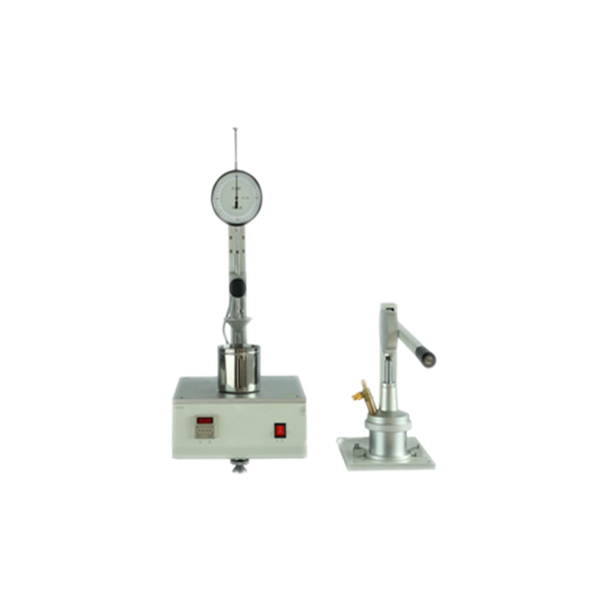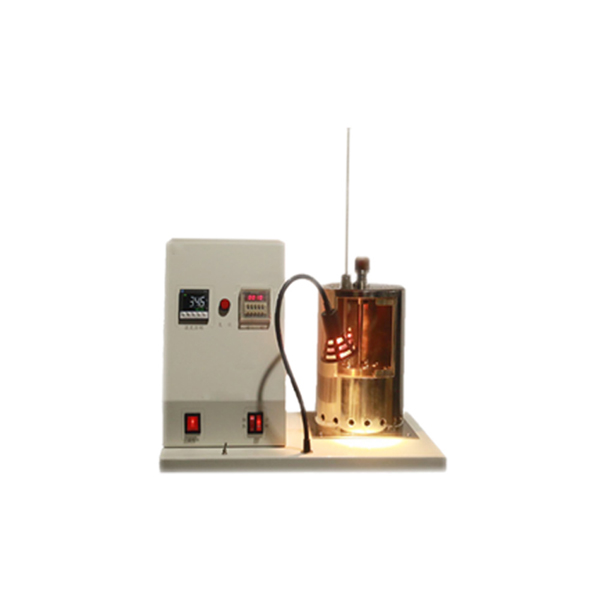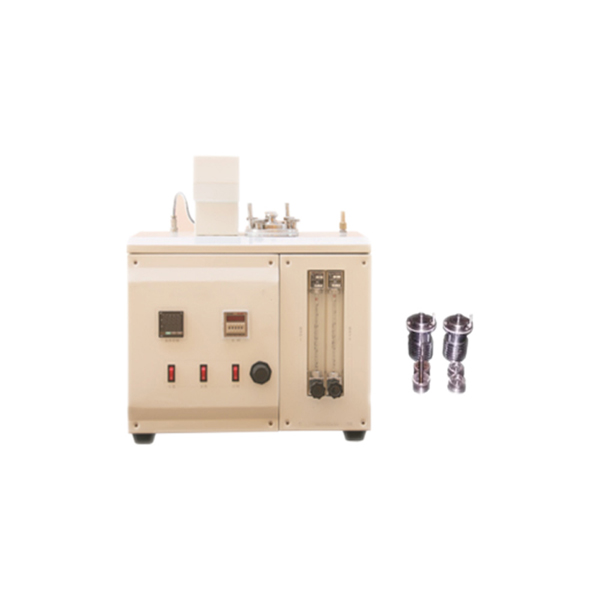

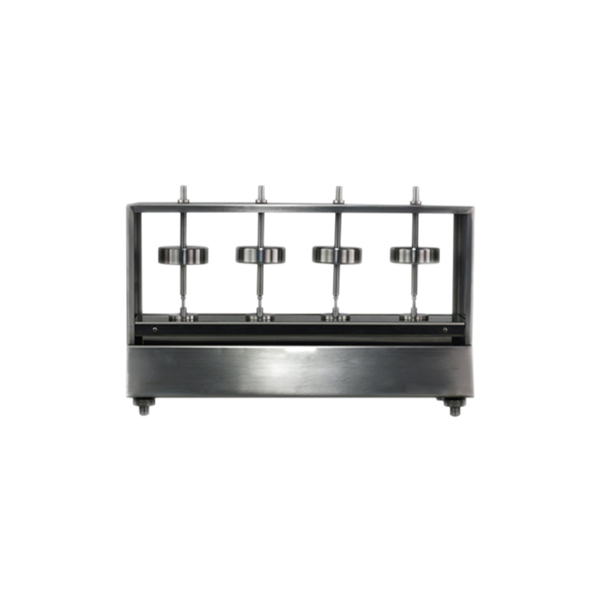
HKL-1742 Apparatus for Oil Separation from Lubricating Grease
Overview
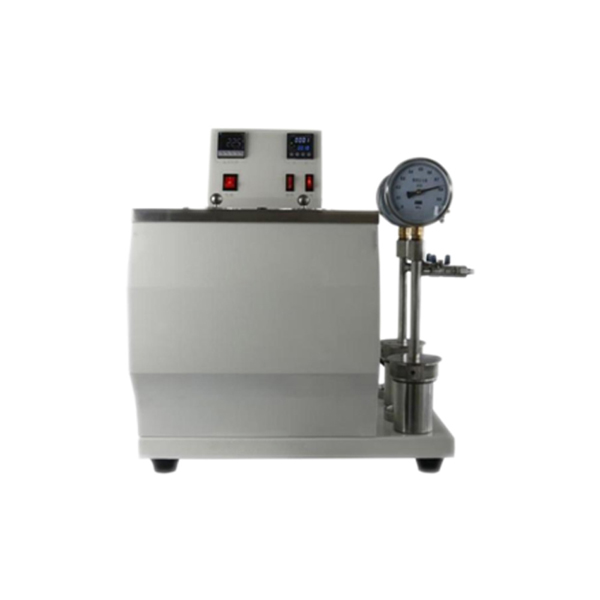
HKL-1742 Apparatus for Oil Separation from Lubricating Grease conforms to the ASTM D1742 Standard Test Method for Oil Separation from Lubricating Grease During Storage. This apparatus covers the determination of the tendency of lubricating grease to separate oil during storage in both normally filled and partially filled containers, but it is not suitable for greases softer than NLG1 No.1 grade. The sample of grease, supported on a 75-μm (No.200) sieve, is subjected to 1.72kPa (0.25psi) air pressure for 24h at 25℃ (77℉). Any oil seepage that occurs drains into a beaker and is weighed.
Structure
Support Bracket: This bracket is a double-rail steel frame, welded from thin steel plates and painted. It can simultaneously accommodate four sets of pressurized oil-water separators for testing. A smooth, flat glass plate is placed on the lower steel plate of the frame. The back of the glass plate is coated with four sets of concentric circles (3-4 circles of varying sizes) for positioning the pressurized oil-water separators during testing. A level bubble is installed near the center of the front of the glass plate to calibrate the bracket's horizontal position. The bracket can be adjusted and leveled using movable feet mounted on four base supports.
The pressurized oil separator consists of the following components: a grease container, a piston ball, a connecting rod, and a counterweight. The total weight of the piston ball, connecting rod, and counterweight should be calibrated in groups to an accuracy of 1000 ± 10 grams.
Grease container: made of brass with a bright nickel plating.
After selecting and calibrating the grease container, piston, connecting rod, and counterweights, they should be permanently marked with steel stamping numbers according to their respective groups for identification.
FAQ
Q1: What standards does this product (HKL-1742 Apparatus for Oil Separation from Lubricating Grease) comply with?
A: HKL-1742 Apparatus for Oil Separation from Lubricating Grease conforms to the ASTM D1742 Standard Test Method for Oil Separation from Lubricating Grease During Storage. This apparatus covers the determination of the tendency of lubricating grease to separate oil during storage in both normally filled and partially filled containers, but it is not suitable for greases softer than NLG1 No.1 grade. The sample of grease, supported on a 75-μm (No.200) sieve, is subjected to 1.72kPa (0.25psi) air pressure for 24h at 25℃ (77℉). Any oil seepage that occurs drains into a beaker and is weighed.
Q2: Significance and use of HKL-1742 Apparatus for Oil Separation from Lubricating Grease?
A: When a lubricating grease separates oil, the remaining composition increases in consistency. This can affect the ability of the product to function as designed. It has been found that the results of this test correlate directly with the oil separation that occurs in 35-lb pails of grease during storage.
Q3: What is the minimum order quantity? How long is the delivery lead time?
A: The minimum order quantity is one unit, and delivery is approximately 20 days after advance payment.
Q4: Do you provide product operation manuals or technical documentation?
A:Yes, we offer electronic versions of product manuals, quick start guides, application examples, and standard operating procedures (SOPs). You can obtain these materials by visiting our official website or by contacting customer service.
Q5: Do you provide online training services?
A: If needed, we will provide online installation and debugging services, as well as comprehensive operation training. We also offer 24/7 online training support to end users throughout the year.

About us
Hong Kong Laboratory Technology Limited has been a trusted partner in the instrumentation industry since 2018. Over the past eight years, we have built a robust ecosystem, supporting more than 500 clients through the exclusive representation of over 50 global brands. With deep industry insights, we provide a seamless supply chain service from Research and Development to final production, supported by a rigorous quality management system. Our core instruments are designed to meet global standards (ISO 9001, ASTM, IP) and calibrated to ISO/IEC 17025 standards, ensuring accuracy and reliability. We are committed to providing innovation and safety assurance for research institutions, petrochemical and mining companies, medical institutions, and environmental organizations.
Company Advantages
(1)Full-Chain Resource Integration Capability
(2)Professional Technical Service Team
(3)Rich Industry Practical Cases
(4)Reliable After-Sales Service
Service Guarantee
1. Online Training Services
If needed, we will provide online installation and debugging services, as well as comprehensive operation training. We also offer 24/7 online training support to end users throughout the year.
2. Professional After-Sales Service
Depending on the type of instrument, we can provide professional repair services. Our goal is to become the highest quality and most reliable instrument supplier in the market. We welcome your valuable feedback and suggestions to help us continuously improve our service quality.
Logistics and Shipping
Worldwide Shipping: We have extensive experience in shipping goods to Asia, Europe, the Middle East, and other regions.
Secure Packaging: Laboratory instruments are carefully packed to ensure they are properly secured and protected during transit.
International Certification
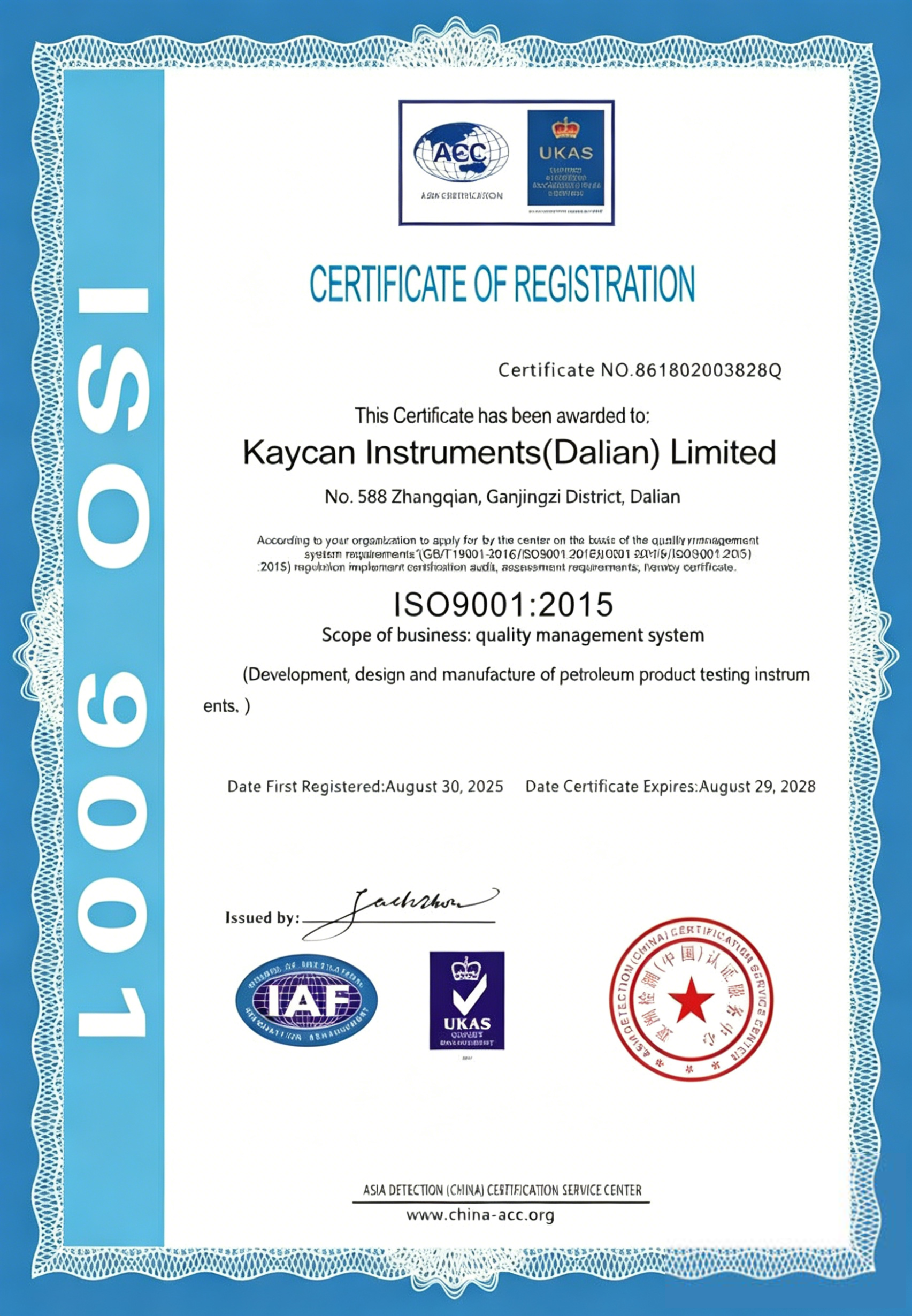
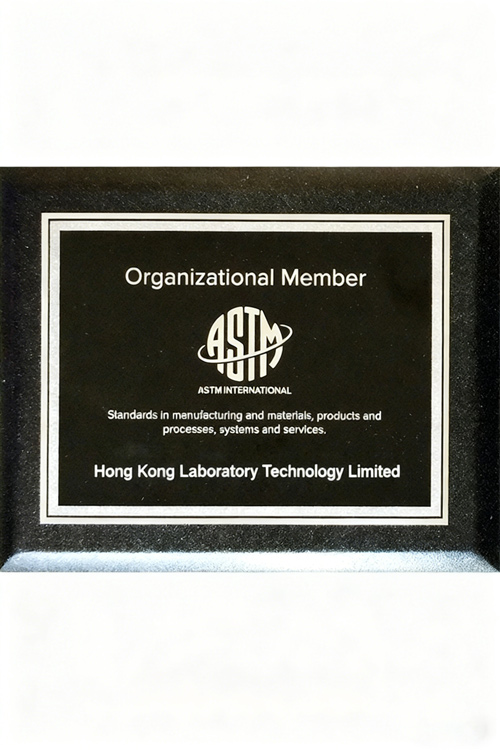
| 
|
ISO 9001 Certification | ASTM Certificate |