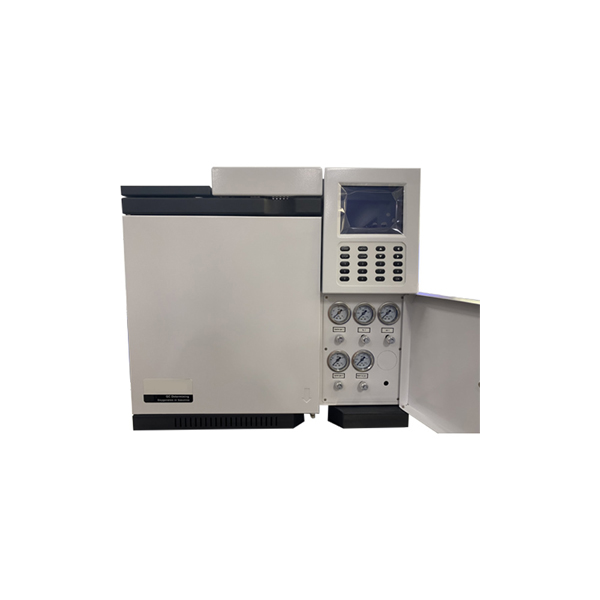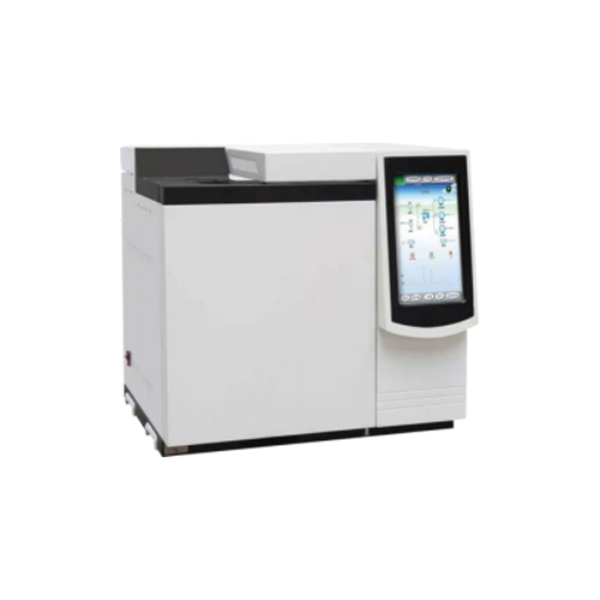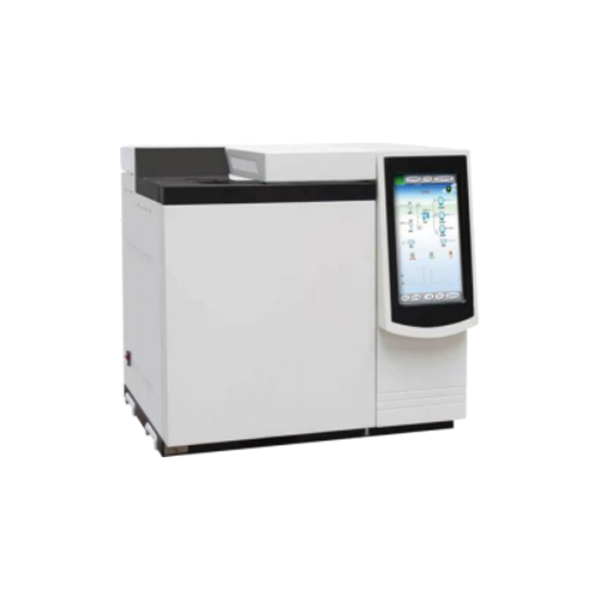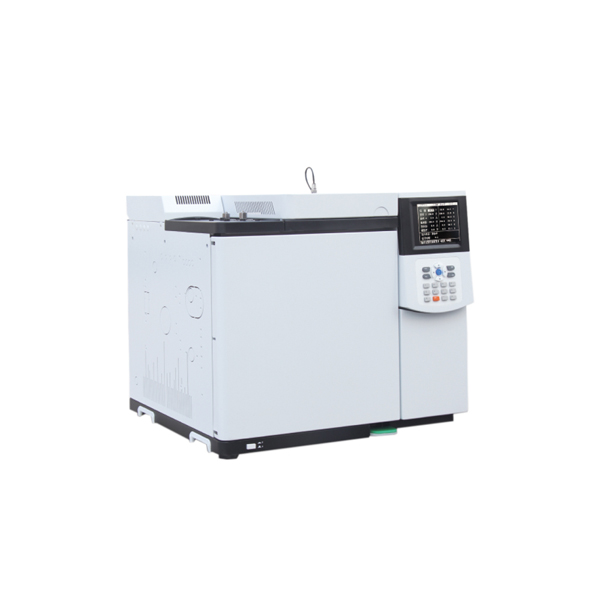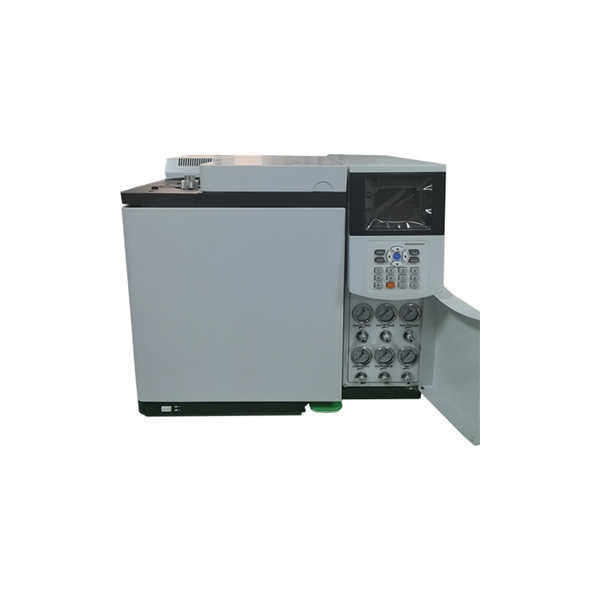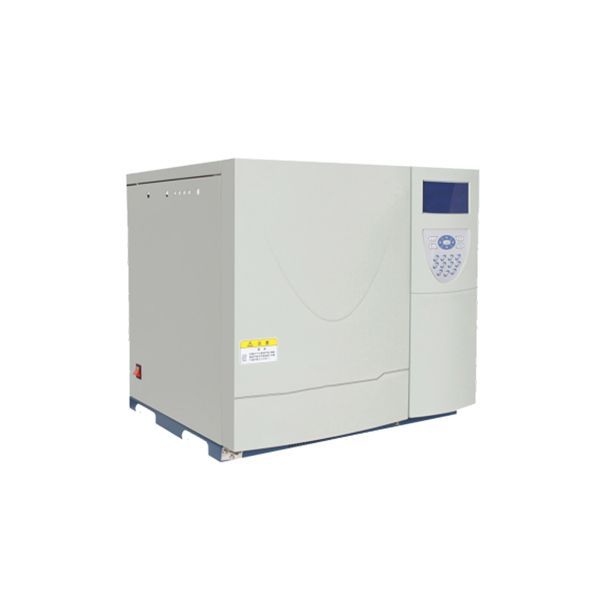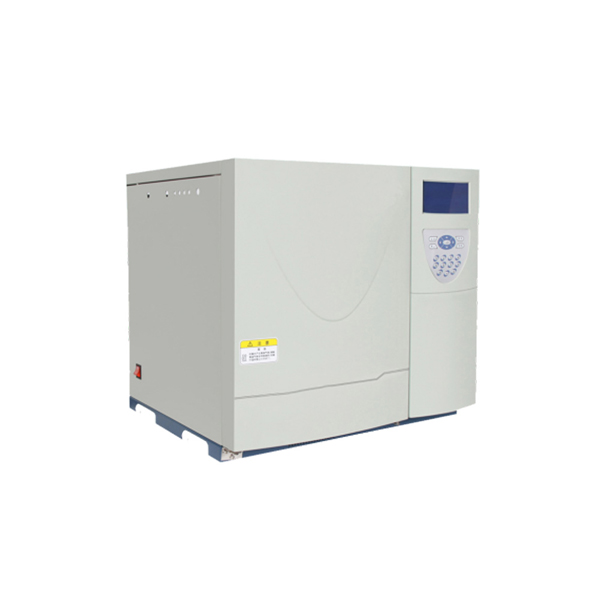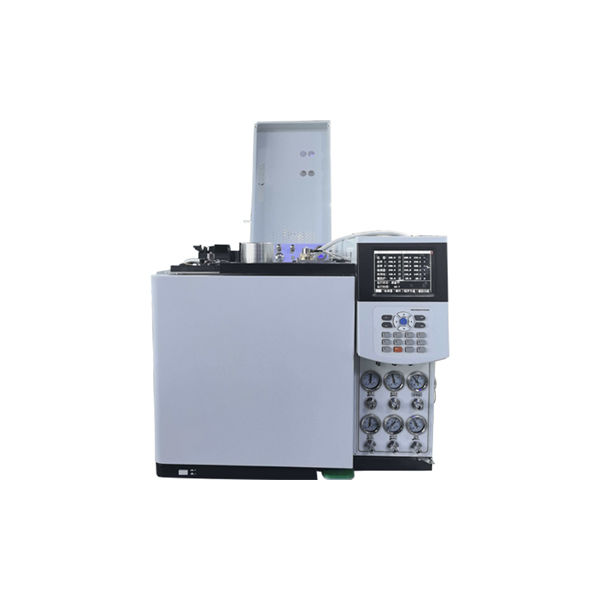

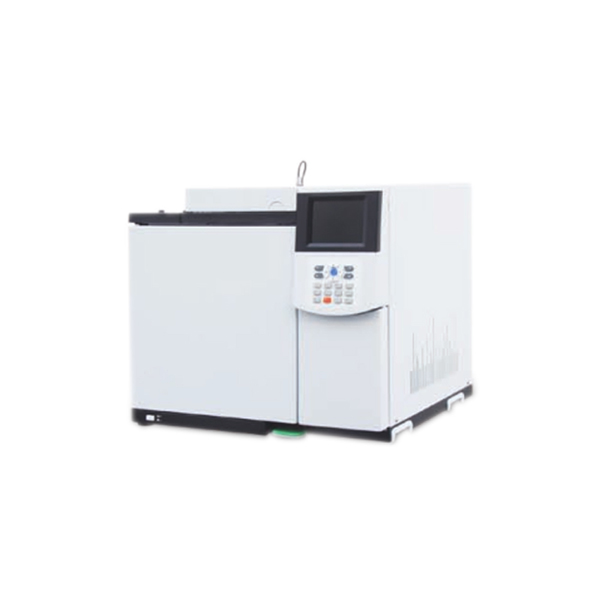
HKL-14103 GC for Ester and Linolenic Acid Methyl Ester contents in Biodiesel
Overview
For biodiesel to be used as a motor fuel or blended with petroleum diesel, it must conform to standard specifications (ASTM D 6751 or EN-14214). There are standard GC methods in to determine if biodiesel conforms to the standard specifications, one of which is EN-14103, used to determine the ester and linoleic acid methyl ester content. It describes the determination of total ester content and linolenic acid methyl ester content in biodiesel by means of gas chromatography with flame ionization detection (GC-FID). The total ester content covers a range of fatty acid methyl esters (FAME) from C6 to C24, and linolenic acid methyl ester is investigated separately as interfering reactive compound that might influence long-term stability of the biodiesel. According to the standard, the total ester content must be greater than 90 % (m/m) and the linolenic acid methyl ester content shall be between 1 and 15 % (m/m).
Features
1. 5.7-inch LCD screen along with very clear physical buttons and an easy to understand interface.
2. Includes a flip-top inlet design that is globally very advanced (for quick replacement of the liner), resulting in maintenance being done faster and with less effort.
3. It has a high-sensitivity Flame Ionization Detector (FID) which is at the same level as leading international standards, and also has automatic ignition feature.
4. Integrated workstation with USB support; works with any PC operating system or hardware set-up.
5. Automatic CPU self-test and self-diagnosis are done at power-on so users can troubleshoot faults in the most convenient and straightforward manner.
6. Spacious column oven design enhances analytical accuracy and repeatability.
7. Large column oven with a fan and an intelligent door that opens from the rear for rapid, automatic cooling.
8. Dependable anti-corrosion and anti-interference circuits are built-in, and there is also over-temperature protection.
9. Multi-stage temperature programming and external events supported; enable timed, quantitative, and cyclic injection by means of multi-valve switching.
10. An optional liquid autosampler can be added to allow for unattended, automated sample injection.
Technical Parameters
1. External Dimensions: 610 x 515 x 520 (mm)
2. Injection Port System
1) Injection Port Design: Flip-top sealing system; quick-release modular design
2) Maximum Operating Temperature: 400°C
3) Number of Injection Ports: Up to 3 ports can be installed
4) Injection Modes: Packed column injection, split capillary column injection, valve injection
3. Temperature Control Specifications
1) Column Oven Dimensions: 300 x 300 x 250 [mm] (L x W x D)
2) Temperature Control Range: Ambient +5°C to 400°C; 0.1°C increments
3) Temperature Setting Increment: 0.1°C
4) Temperature Control Accuracy: ±0.1°C
5) Programmed Temperature Ramp: 7 steps
6) Heating Rate: 0–40°C/min; Isothermal hold time between steps: 0–999 min
7) Column Oven Cooling (Ambient Temp: 19°C): Time required to cool from 300°C to 100°C is no more than 4 minutes
Main Structure
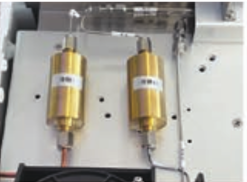
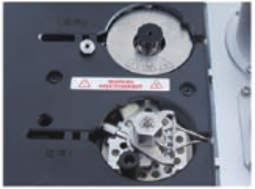 | 1. Capillary inlet/Packed column inlet: Internationally advanced swing-type design for quick liner replacement, enabling more convenient and efficient maintenance. |
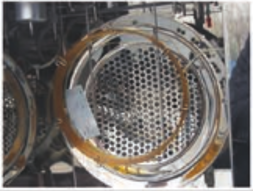
 | 2. Dual cold trap design: Effectively removing moisture and other volatile impurities from samples, enhancing analysis accuracy and sensitivity. |
 | 3. Large column box and large fan: Maximum operating temperature: 400℃, with intelligent rear door opening automatic cooling, speeding up the cooling speed. |
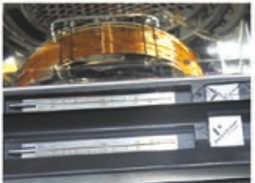 | 4. Chromatographic Column Ruler/Ceramic Blade: Enables precise measurement and marking of column length and position. Ceramic blade ensures clean cuts on quartz capillary tubing without generating debris. |
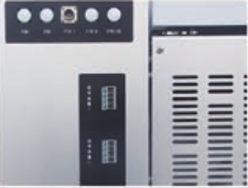 | 5. Chromatography Workstation: Built-in workstation compatible with all computer systems, Supports simultaneous multi-detector data acquisition, USB port connectivity. |
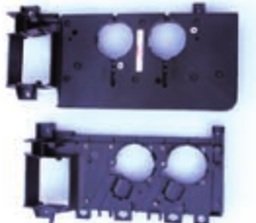 | 6. Injection Molded Accessories: Manufactured with high-temperature resistant & flame-retardant materials, Single-step precision mold injection. |
Detectors
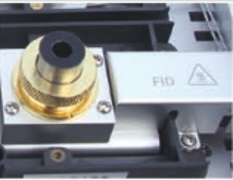 | 1. Hydrogen Flame Ionization Detector (FID) 1) Maximum Operating Temperature: 400°C 2) Fast Cooling Rate 3) Wide-Range Digital Output (enhanced linear range) 4) Minimum Detectable Limit: ≤2 pg C/s (n-hexadecane) 5) Dynamic Linear Range: ≥10⁷ |
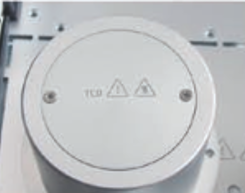 | 2. Thermal Conductivity Detector (TCD) 1) Maximum Operating Temperature: 400°C 2) Sensitivity: S ≥ 6000 mV·ml/mg (benzene) 3) Linear Range: ≥105 |
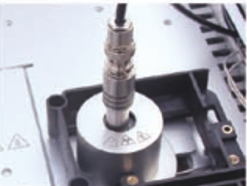 | 3. Electron Capture Detector (ECD) 1) Maximum Operating Temperature: 400°C 2) Detection Limit: ≤1×10⁻¹³ g/ml (γ-666) 3) Linear Range: ≥105 |
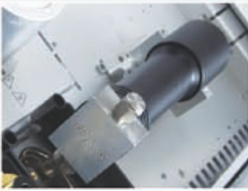 | 4. Flame Photometric Detector (FPD) 1) Maximum Operating Temperature: 400°C 2) Minimum Detectable Level: 0.01 ppm (as sulfur) 3) Linear Range: ≥10³ |
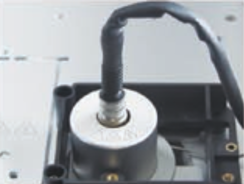 | 5. Zirconium Oxide Detector (ZD) 1) Maximum Operating Temperature: 400°C 2) Sensitivity: 0.5 ppm (as oxygen) 3) Linear Range: ≥10³ |
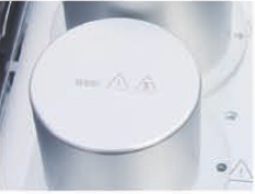 | 6. MTN Auxiliary Oven Detector (MTN) 1) Maximum Operating Temperature: 400°C 2) Methanation Conversion Rate: ≥98% 3) Detection Limit: 0.5 μL/L |
FAQ
Q1: What international shipping methods do you support?
A: An air generator is a device that produces a clean, moisture-free, and oil-free compressed air supply for the use of analytical instruments in the laboratory. It is widelyused as a secondary gas supply for such devices as gas chromatographs (GC), nitrogen generators, atomic absorption spectrophotometers (AAS), total organic carbon analyzers (TOC), and thermal analyzers, which allows the replacement of the conventional high-pressure cylinders and the realization of them continuous and stable gas supply.
Q2: Do you offer customized solutions?
A: Yes, we can provide customized instrument configurations and testing solutions based on the customer’s specific application needs.
Q3: Do you provide online training services?
A: To help you thrive, we are always at your service for your online installation, commissioning, and complete operational training. For your employees, we also offer 24×7 online training and support availability, 365 days a year.
Q4: What is the minimum order quantity? How long is the delivery lead time?
A: The minimum order quantity is one unit, and delivery is approximately 20 days after advance payment.

About us
Hong Kong Laboratory Technology Limited has been a trusted partner in the instrumentation industry since 2018. Over the past eight years, we have managed to put together a strong ecosystem that supports more than 500 clients by exclusively representing 50-plus leading global brands. With a profound understanding of the industry, we offer a one-stop supply chain service starting from Research and Development to the end production, backed by a highly strict quality control system. Our main tools are made to adhere to international standards (ISO 9001, ASTM, IP) and their calibration is done according to ISO/IEC 17025 standards to guarantee precision and dependability. We are committed to providing innovation and safety assurance for research institutions, petrochemical and mining companies, medical institutions, and environmental organizations.
Company Advantages
(1)Full-Chain Resource Integration Capability
(2)Professional Technical Service Team
(3)Rich Industry Practical Cases
(4)Reliable After-Sales Service
Service Guarantee
1. Online Training Services
If needed, we will provide online installation and debugging services, as well as comprehensive operation training. We also offer 24/7 online training support to end users throughout the year.
2. Professional After-Sales Service
Depending on the type of instrument, we can provide professional repair services. Our goal is to become the highest quality and most reliable instrument supplier in the market. We welcome your valuable feedback and suggestions to help us continuously improve our service quality.
Logistics and Shipping
Worldwide Shipping: Shipping goods to Asia, Europe, the Middle East, and other parts of the world are a few of the things we do best.
Secure Packaging: Laboratory instruments are packed with great care in order to properly secure and protect them during transportation.
International Certification
|
|
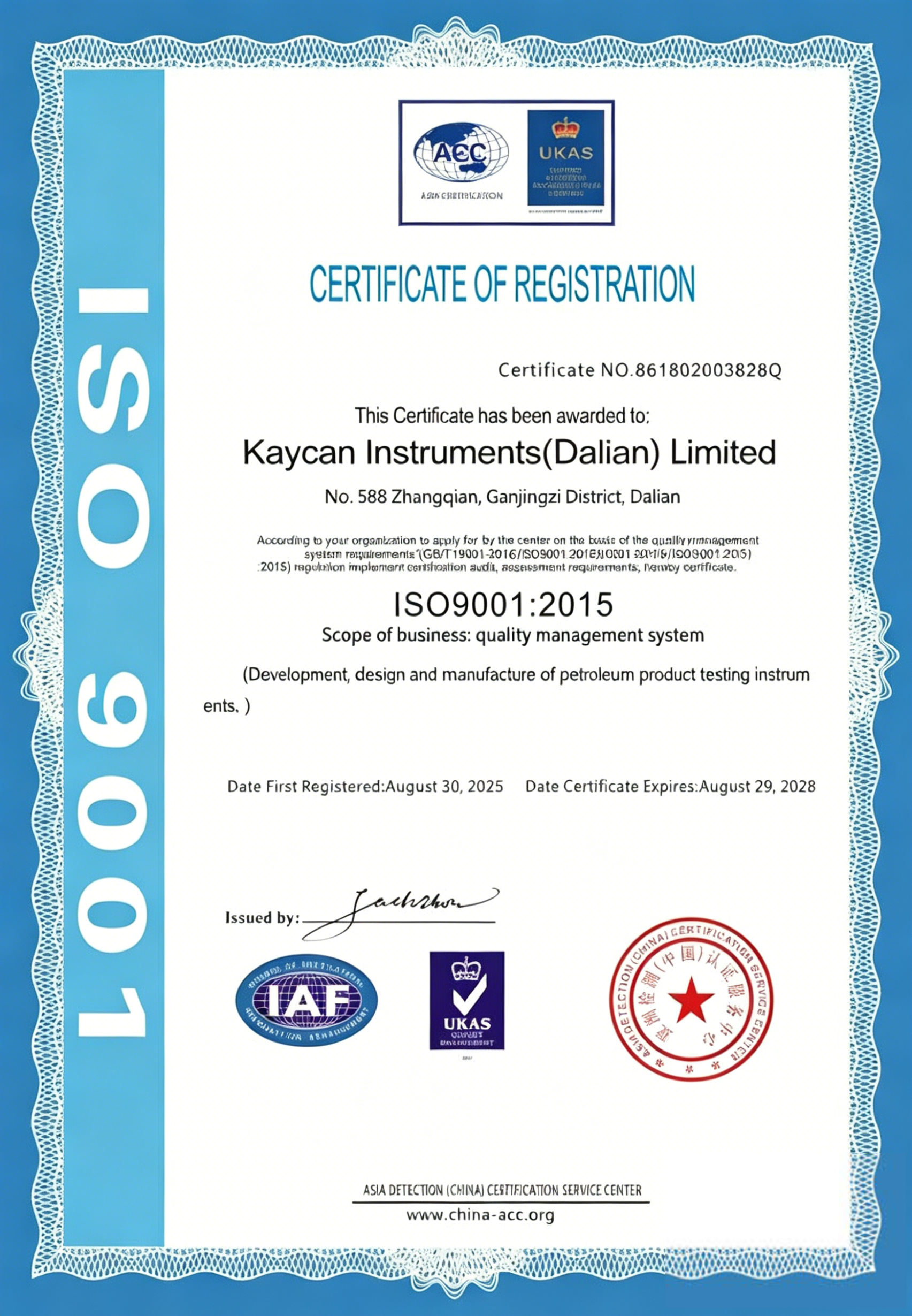
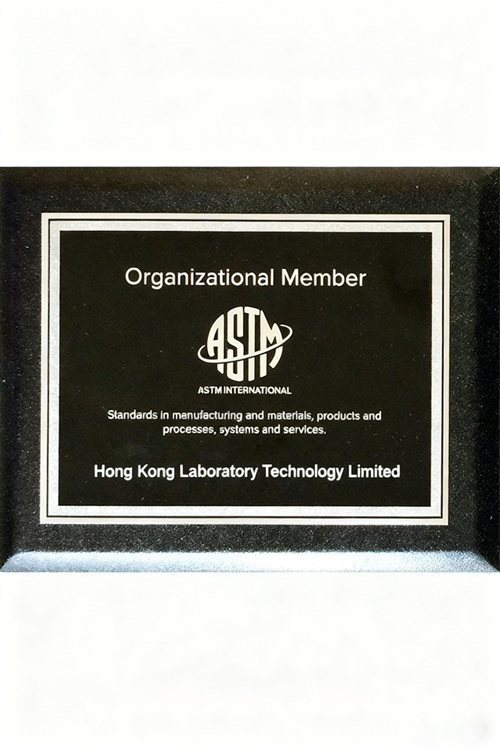
ISO 9001 Certification | ASTM Certificate |