
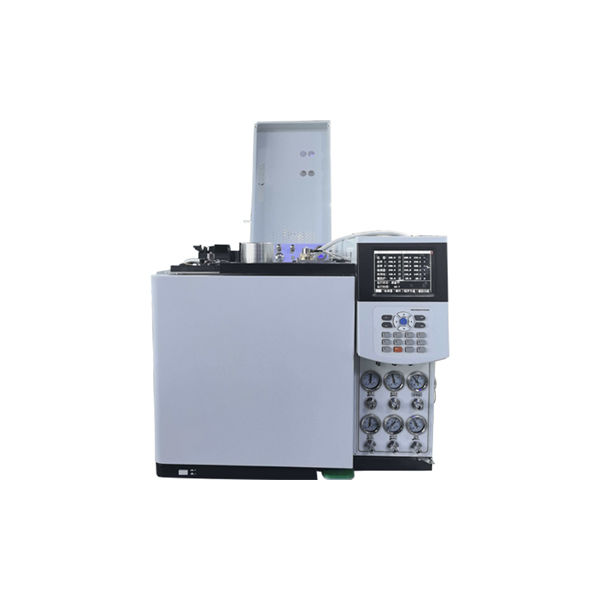
HKL-15 Gas Chromatograph for Air Quality Sulfide Analysis
Overview
The HKL-15 Gas Chromatograph for Air Quality Sulfide Analysis conforms to the EPA Method 15 - determination of hydrogen sulfide, carbonyl sulfide, and carbon disulfide emissions from stationary sources. The gas sample is taken first from the emission source and diluted with clean dry air (if needed). A portion of this diluted sample is subsequently checked for CS₂, COS, and H₂S by GC/FPD.
Features
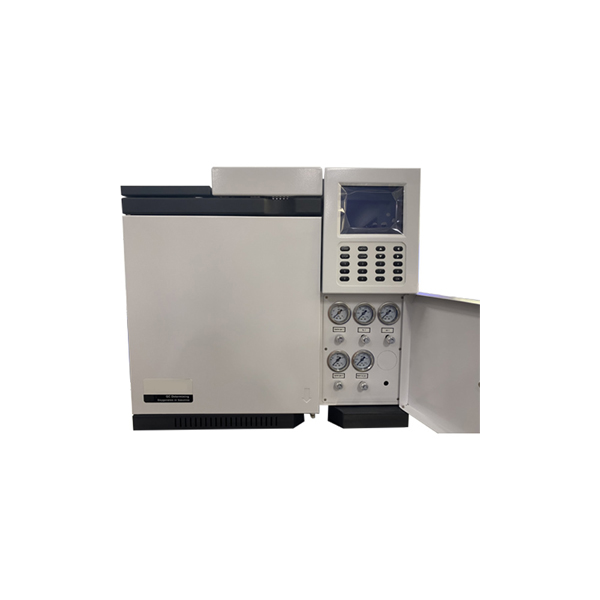
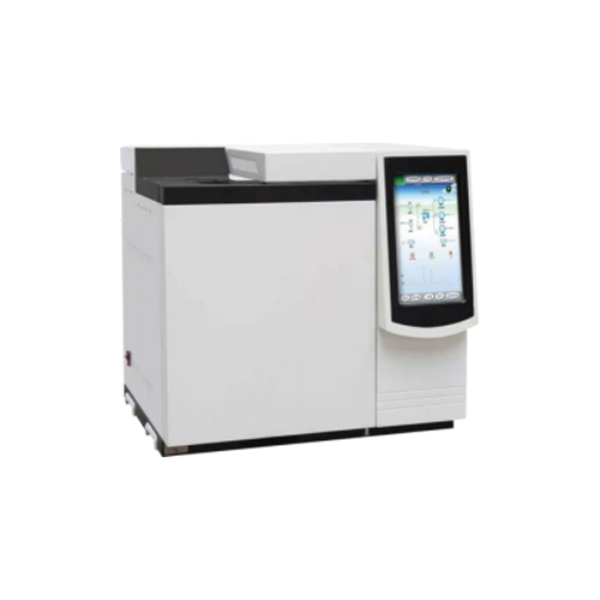
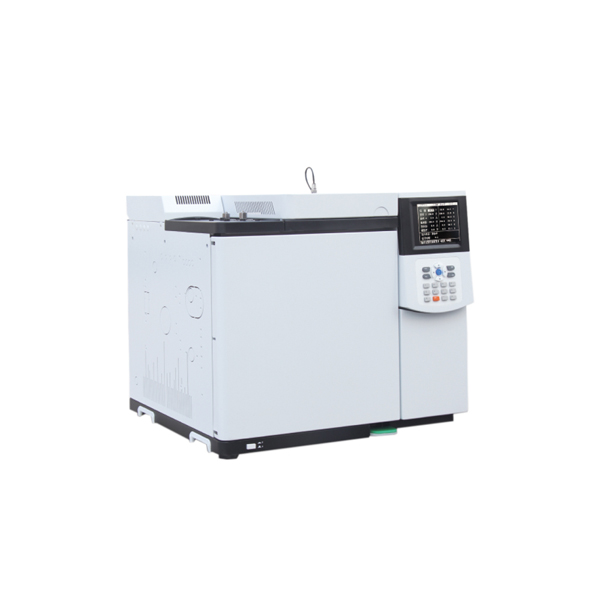
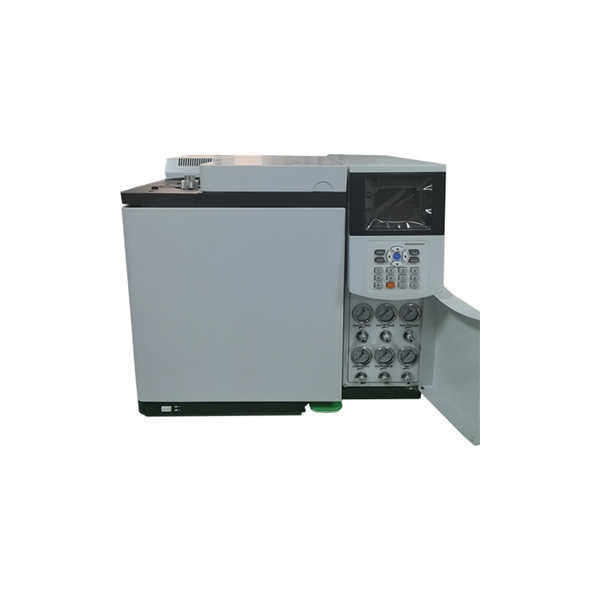
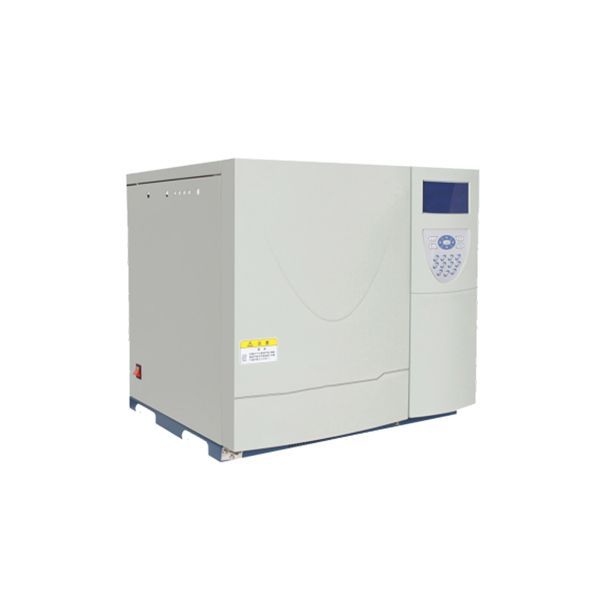
Boasting a 5.7-inch LCD display, handily placed physical control buttons, and an easy-to-understand interface that makes the device very user-friendly.
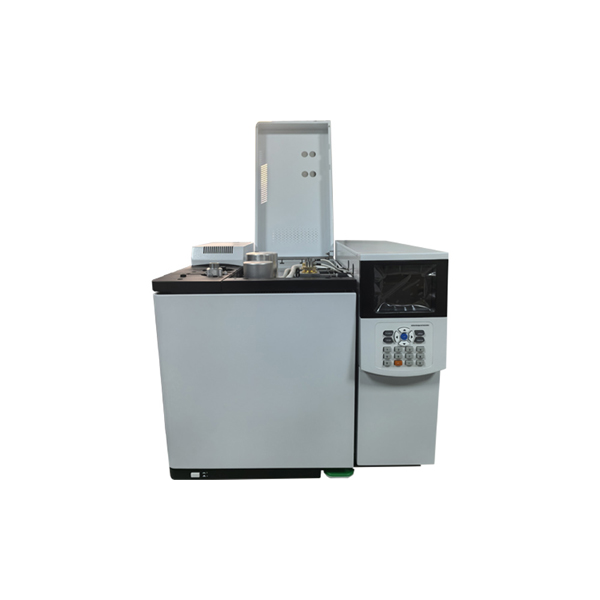
The instrument also includes an internationally standardized rotary sample inlet with quick-change liners which make maintenance efficient and simple.
Combined with an automatically lit, high sensitivity flame ionization detector (FID) which meets the top global performance standards.
Fitted with a built-in workstation and a universal USB interface making it compatible with a broad array of computer systems and configurations.
CPU self-diagnostics built-in help find faults quickly and accurately.
A larger column oven increases the accuracy of analysis and makes sure the measuring results are consistent and repeatable.
A large column oven, a powerful fan, and a smart rear-exhaust cooling system together greatly cut down the cooling time.
Built with corrosion-resistant and interference-protected circuitry, also provided with over-temperature protection to ensure reliable performance.
Can handle multi-step temperature programming and external event control, allowing timed, quantitative cyclic injections through a multi-valve configuration.
A liquid autosampler, optional, can be added for totally automatic, unassisted sample processing.
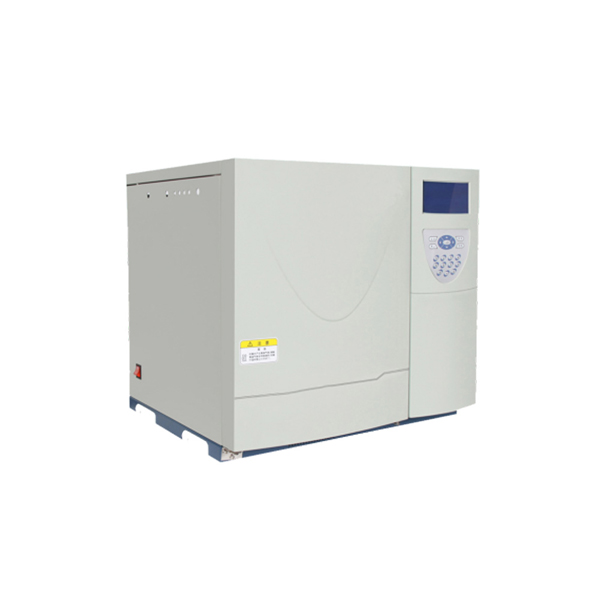
Overall dimensions: 610 mm (W) × 515 mm (D) × 520 mm (H).
Technical Parameters
Inlet System indicators
1)Inlet: Swing-top sealing system with rapid-disassembly modularity.
2)Maximum Operating Temperature: 400°C
3)Number of Inlets: Supports up to 3 inlets
4)Injection Modes: Packed column injection, Split capillary column injection, Valve injection
Temperature Control Indicators
1)Column Dimensions: 300 × 300 × 250 mm (L × W × D)
2)Temperature Control Range: Ambient +5°C ~ 400°C, increment 0.1°C
3)Temperature Setting Increment: 0.1°C
4)Temperature Control Accuracy: ±0.1°C
5)Programmed Temperature Ramp: 7 stages
6)Heating Rate: 0 ~ 40°C/min, Inter-stage Hold Time: 0 ~ 999 min
7)Cooling Performance (Ambient 19°C): ≤ 4 min (from 300°C to 100°C)
FAQ
Q1: What standards does this product (HKL-15 Gas Chromatograph for Air Quality Sulfide Analysis) comply with?
A:The HKL-15 Gas Chromatograph for Air Quality Sulfide Analysis conforms to the EPA Method 15 - DETERMINATION OF HYDROGEN SULFIDE, CARBONYL SULFIDE, AND CARBON DISULFIDE EMISSIONS FROM STATIONARY SOURCES. A gas sample is extracted from the emission source and diluted with clean dry air (if necessary). An aliquot of the diluted sample is then analyzed for CS2, COS, and H2S by GC/FPD.
Q2: What is the applicable scope of HKL-15 Gas Chromatograph for Air Quality Sulfide Analysis?
A: This method applies to the determination of emissions of reduced sulfur compounds from tail gas control units of sulfur recovery plants, H2S in fuel gas for fuel gas combustion devices, and where specified in other applicable subparts of the regulations. The method described below uses the principle of gas chromatographic (GC) separation and flame photometric detection (FPD). Since there are many systems or sets of operating conditions that represent useable methods for determining sulfur emissions, all systems which employ this principle, but differ only in details of equipment and operation, may be used as alternative methods, provided that the calibration precision and sample-line loss criteria are met.
Q3: What is the minimum order quantity? How long is the delivery lead time?
A: The minimum order quantity is one unit, and delivery is approximately 20 days after advance payment.
Q4: How can I get a product quotation?
A: Please submit your requirements via the contact page on our official website or customer service email, and we will contact you within 24 hours with a detailed quotation.
Q5: What kind of after-sales service do you support?
A: We promise to offer you a comprehensive and reliable support system for after-sales service during the whole product lifecycle. Such support system includes the following:(1) Fast Response: A skilled customer service team always ready to respond ensures your requests get feedback promptly.(2) Expert Technical Engineer Assistance: A professional team of engineers conducts remote diagnostics and visits in the field to promptly deal with technical problems.(3) Continuous Empowerment: Our after-sales service for your team will include online training and support so that your team can effectively use all the functions of the instrument. However, the focus of our efforts is not limited to problem solving only. We aim to be a laboratory partner who you can rely on for stable instrument operation and accurate, reliable data so that you can concentrate on your scientific research itself.

About us
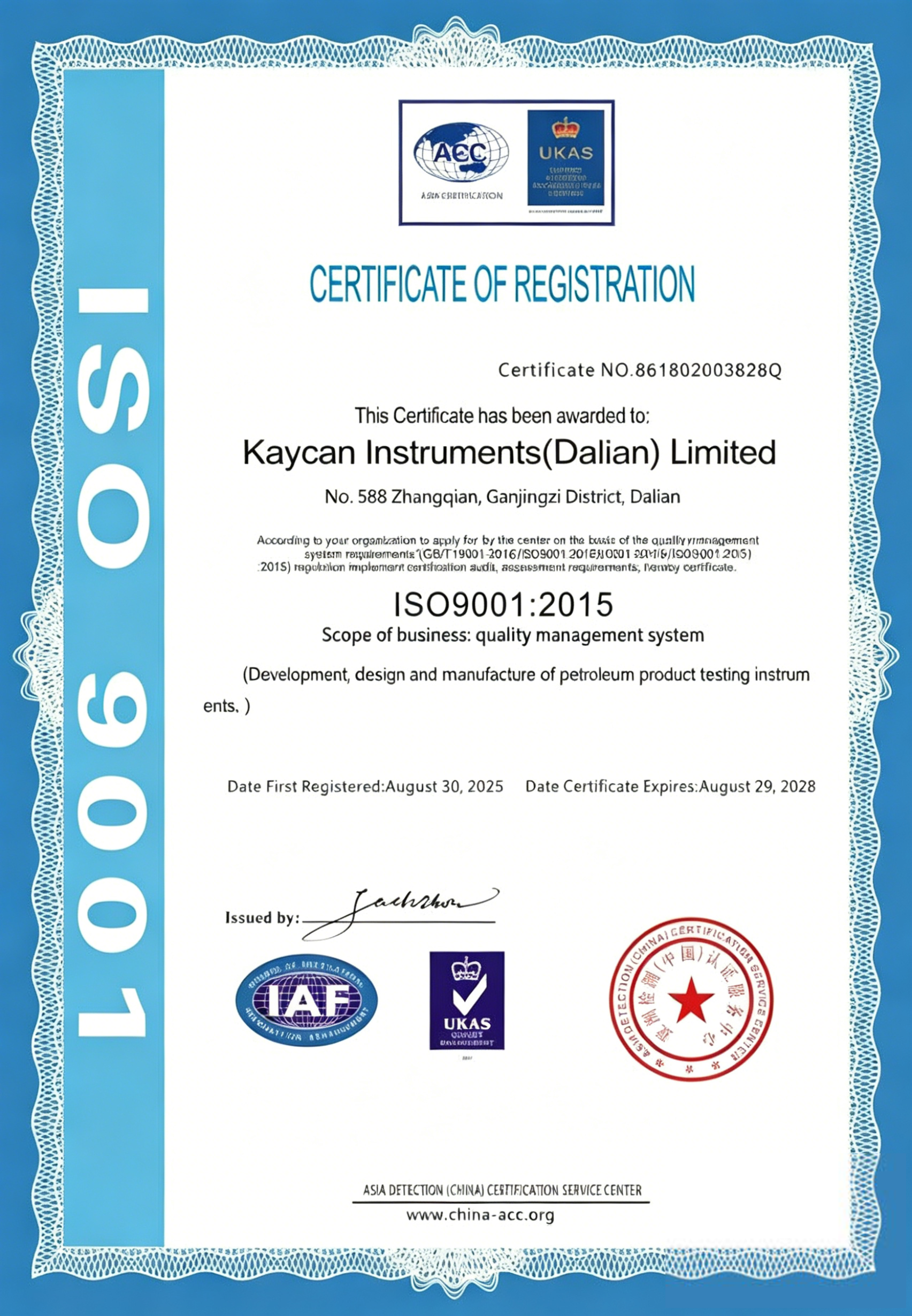
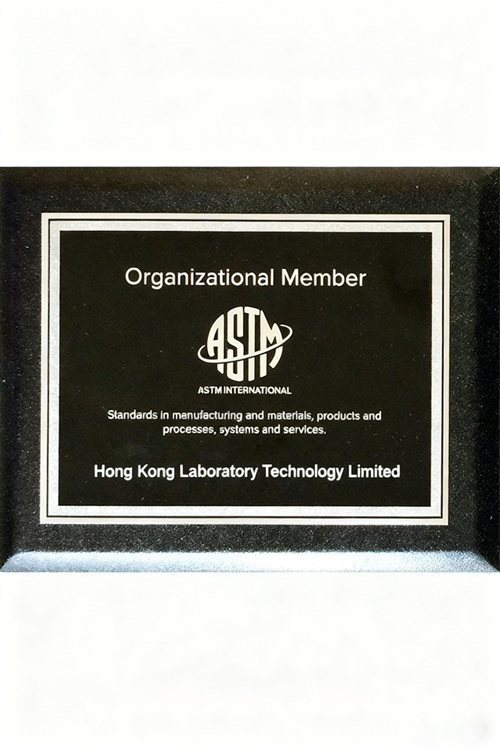
Hong Kong Laboratory Technology Limited, established in 2018, has rapidly risen to the top as a reliable supply chain solutions provider for the scientific instrument industry. Through our skilled expertise of over 8 years, we have linked 500+ Research and Development clients to our highly trusted supplier network consisting of 50+ big manufacturers, thus bringing innovation to mass production in a hassle-free manner. Our company is well aware of industry trends and developments, which help us design advanced management systems. We conform to internationally recognized standards, too, like ISO 9001, ASTM, and IP. Not only do strictly follow ISO/IEC 17025 requirements for instrument calibration and testing, but also our main products are widely accepted by various sectors, including research institutions, petrochemical and mining industries, hospitals, as well as environmental protection agencies.
Company Advantages
(1)Full-Chain Resource Integration Capability
(2)Professional Technical Service Team
(3)Rich Industry Practical Cases
(4)Reliable After-Sales Service
Service Guarantee
1. Online Training Services
We are ready to assist you during each phase. If required, we can deliver online installation and commissioning along with complete training to make you operational. Moreover, we give your team continuous success by supplying nonstop online training support, 365 days a year.
2. Professional After-Sales Service
We offer targeted maintenance solutions for various instrument categories. Our goal is to become your preferred partner, recognized as a provider of top-quality and highly dependable instruments. We highly appreciate your feedback and recommendations as they are crucial for us to improve our services and serve you better. We are grateful that you joined us in this cooperative path.
Logistics and Shipping
Worldwide Shipping: We have great logistics channel networks covering all over the world (Asia, Europe, and the Middle East), so we can offer you a very efficient and reliable international shipping service.
Secure Packaging: Laboratory instruments are securely wrapped, at the same time, packing and handling are done very carefully to make sure that the instruments are not only safe and protected, but also deliver their full functionality when they arrive at the destination.
International Certification
| 
|
ISO 9001 Certification | ASTM Certificate |